Extra Virgin Olive Oil
Olea europaea
Extra virgin olive oil’s oleocanthal and hydroxytyrosol potently activate NRF2, boosting cellular antioxidant defenses and reducing inflammation.
Quick Answer
Overview of Extra Virgin Olive Oil Extra virgin olive oil (EVOO), derived from the first cold pressing of Olea europaea fruit, has been a dietary staple of the Mediterranean region for millennia. Esteemed both as a culinary oil and a medicinal food, EVOO contains a rich profile of monounsaturated fats coupled with…
Overview
Overview of Extra Virgin Olive Oil
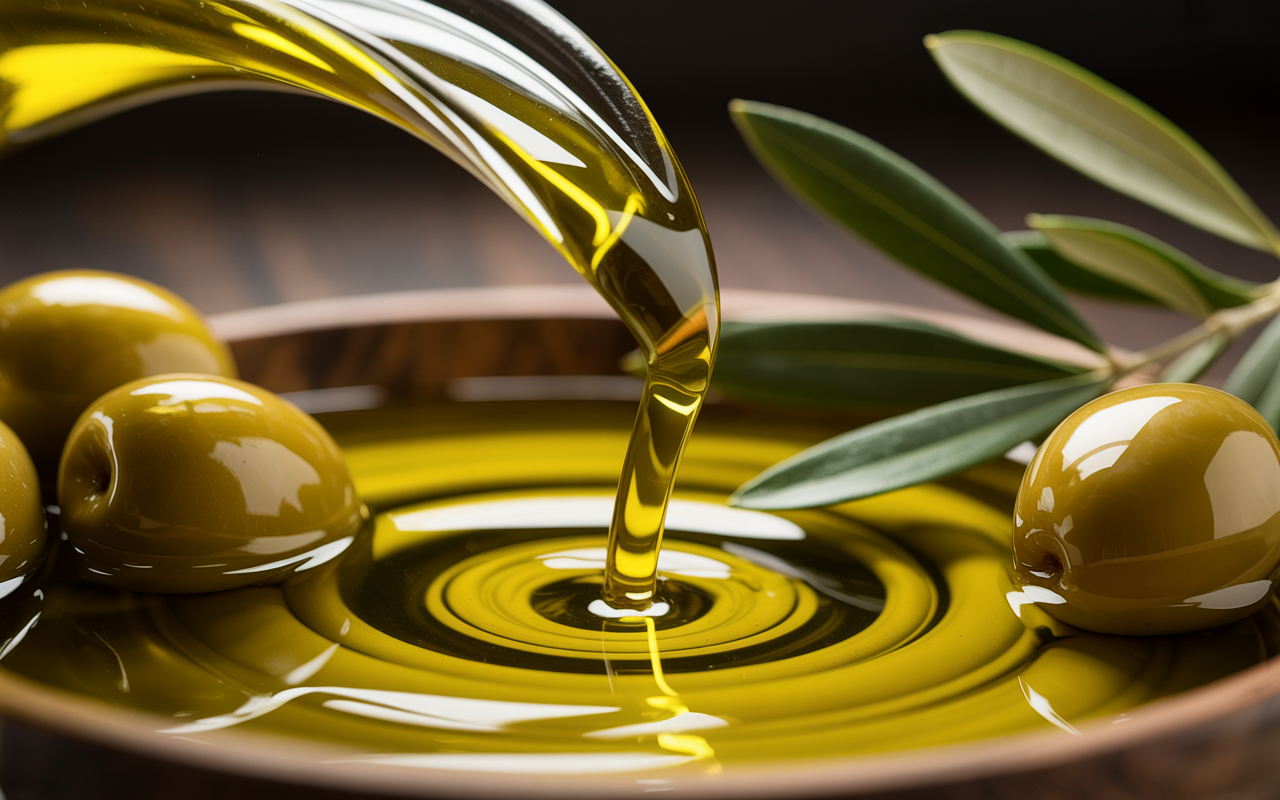
Extra virgin olive oil (EVOO), derived from the first cold pressing of Olea europaea fruit, has been a dietary staple of the Mediterranean region for millennia. Esteemed both as a culinary oil and a medicinal food, EVOO contains a rich profile of monounsaturated fats coupled with unique polyphenolic compounds that contribute to its health-promoting properties. Its nutritional composition includes high levels of oleic acid, vitamin E, and phenolic antioxidants such as oleocanthal and hydroxytyrosol, which have garnered significant interest for their bioactive effects.
From a nutritional and molecular standpoint, EVOO's polyphenols are critical to its capacity to modulate oxidative stress and inflammation, primarily through activation of the NRF2 signaling pathway. This transcription factor orchestrates the expression of antioxidant and cytoprotective genes, making EVOO a food of considerable relevance in NRF2-related health benefits. Nutritional epidemiology further supports EVOO’s role in reducing chronic disease risk, particularly cardiovascular diseases, neurodegeneration, and certain cancers.
How It Activates NRF2
Mechanism of NRF2 Activation by Extra Virgin Olive Oil
Oleocanthal and hydroxytyrosol, key polyphenols in EVOO, act as electrophilic and antioxidant molecules that contribute to NRF2 pathway activation. Normally, NRF2 is sequestered in the cytoplasm by KEAP1, which targets NRF2 for ubiquitination and proteasomal degradation. Oleocanthal and hydroxytyrosol can modify reactive cysteine residues on KEAP1, such as C151, leading to conformational changes that inhibit KEAP1’s ability to suppress NRF2.
This inhibition results in NRF2 stabilization and translocation into the nucleus, where NRF2 binds antioxidant response elements (ARE) in the promoters of target genes. These downstream genes include heme oxygenase-1 (HO-1), NAD(P)H quinone oxidoreductase 1 (NQO1), and various glutathione S-transferases (GSTs), which enhance cellular antioxidant capacity and detoxification processes. The synergistic effect of oleocanthal’s anti-inflammatory action and hydroxytyrosol’s potent free radical scavenging further amplifies NRF2 activation impacts.
Health Benefits
Health Benefits Mediated by NRF2 Activation
- Anti-inflammatory effects: Oleocanthal mimics ibuprofen’s COX-inhibition and, via NRF2, downregulates pro-inflammatory mediators (Beauchamp et al., 2005).
- Antioxidant defense: Hydroxytyrosol induces HO-1 and NQO1, bolstering cellular resistance to oxidative damage (Visioli et al., 2018).
- Cardiovascular protection: NRF2-driven gene expression reduces endothelial dysfunction and lipid peroxidation, lowering atherosclerosis risk (Madrid et al., 2016).
- Neuroprotection: EVOO polyphenols activate NRF2 in neural cells, protecting against neurodegenerative pathology models (Piroddi et al., 2017).
- Anti-cancer potential: Enhanced phase II detoxification enzymes contribute to elimination of carcinogens and suppression of tumor initiation (Irmak & Kucukgergin, 2020).
- Mitochondrial function: NRF2 activation improves mitochondrial biogenesis and function, supporting metabolic health (Andreadou et al., 2014).
- Skin protection: Topical EVOO components induce NRF2, enhancing barrier integrity and reducing UV damage (Fernandez-Barral et al., 2019).
How to Consume
Optimal Consumption of Extra Virgin Olive Oil for NRF2 Activation
To maximize NRF2 activation and bioavailability of oleocanthal and hydroxytyrosol, consuming raw or minimally heated extra virgin olive oil is recommended, as excessive heat degrades phenolics. Daily intake of 1-2 tablespoons (15-30 mL) integrated into salads, dips, or drizzled over cooked vegetables provides effective polyphenol delivery.
Cold-pressed EVOO with high polyphenol content (>250 mg/kg) is preferable. Combining EVOO with vegetables rich in antioxidants like leafy greens or cruciferous vegetables can yield synergistic NRF2 activation. Storing EVOO in dark glass bottles away from heat and light preserves its polyphenolic potency.
While EVOO is stable for moderate cooking, avoid frying at very high temperatures to minimize polyphenol loss. Consuming EVOO alongside foods with vitamin C may also protect and regenerate its phenolics during digestion, enhancing their bioactivity.
Research Highlights
Key Research Findings
- Beauchamp et al., 2005 (Nature): Identified oleocanthal as a natural compound with ibuprofen-like anti-inflammatory properties, linked to COX inhibition and NRF2 activation.
- Visioli et al., 2018 (Frontiers in Pharmacology): Demonstrated hydroxytyrosol’s ability to induce NRF2-dependent antioxidant enzymes in human endothelial cells.
- Madrid et al., 2016 (Journal of Nutritional Biochemistry): Showed that EVOO phenolics reduce endothelial oxidative stress and prevent inflammation via NRF2 signaling in cardiovascular models.
- Piroddi et al., 2017 (Oxidative Medicine and Cellular Longevity): Provided evidence for neuroprotective effects of EVOO polyphenols mediated by NRF2 activation in neuronal cultures.
- Irmak & Kucukgergin, 2020 (Phytotherapy Research): Reported chemopreventive potential of EVOO phenolics through NRF2 pathway modulation in preclinical cancer studies.
Referenced Studies
Frequently Asked Questions
How does Extra Virgin Olive Oil activate NRF2?
What are the health benefits of Extra Virgin Olive Oil?
How should I consume Extra Virgin Olive Oil to support NRF2?
What is the main NRF2-activating compound in Extra Virgin Olive Oil?
Health & FDA Disclaimer
The statements on this website have not been evaluated by the Food and Drug Administration (FDA). The content provided is for informational and educational purposes only and is not intended to diagnose, treat, cure, or prevent any disease. This article does not constitute medical advice. Always consult your physician or a qualified healthcare provider before starting any new supplement, diet, or wellness program. Read our full medical disclaimer →
Related Articles
Combating Cardiomyopathy: NRF2's Critical Role in Heart Protection
How the NRF2 pathway orchestrates a sophisticated defense mechanism against oxidative stress in cardiomyopathy, maintaining cardiac cellular equilibrium and shielding the heart from damage.
Inflammation, Aging & Disease: Can NRF2 Help Reduce Chronic Inflammation?
With over 500 studies linking NRF2 to inflammation, discover how this master regulator can address the chronic inflammation driving aging, heart disease, diabetes, cancer, and Alzheimer's.
Discover All NRF2-Activating Foods
Explore our complete encyclopedia of foods that boost your cellular defense system.
Browse All Foods