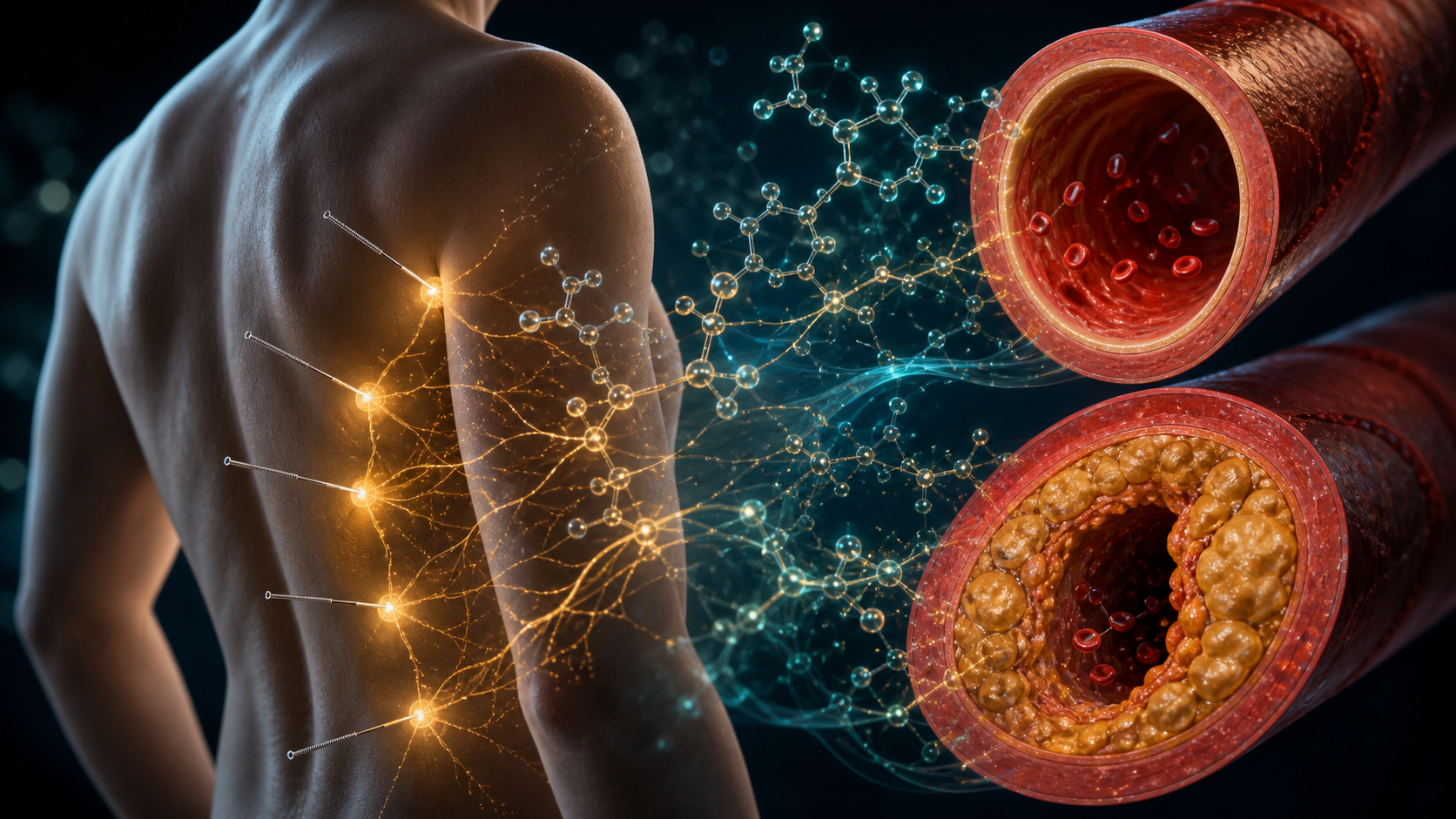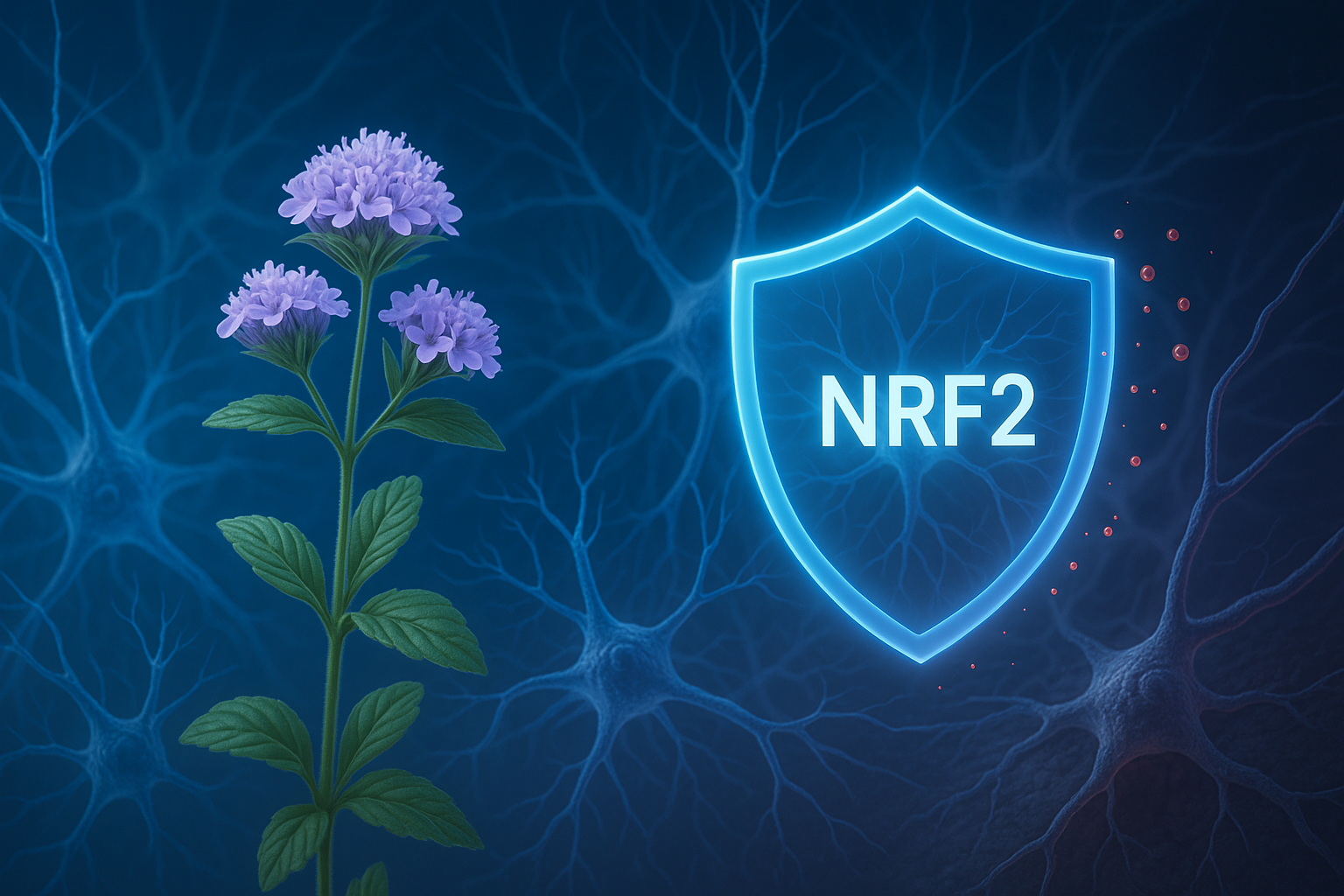
NRF2 cellular pathway visualization showing molecular defense mechanisms
The Science of Cellular Defense

Unlock the Power of NRF2

Explore breakthrough research on the master regulator of cellular defense. From cancer immunotherapy to neuroprotection — evidence-based science, made accessible.

Quick Quiz — Free eBook

Do you currently take an NRF2 Activator?

Answer to unlock your free NRF2 eBook

0+

Published Studies

0+

Years of Research

0+

Regulated Genes

0 FDA Approvals

NRF2 Activators

Understanding NRF2

The Master Regulator of Cellular Defense

Nuclear factor erythroid 2-related factor 2 (NRF2) is a transcription factor found in nearly every cell. When activated, it orchestrates the expression of over 200 protective genes — the body's most powerful defense network against oxidative stress, inflammation, and cellular damage.

Think of NRF2 as a master switch. When turned "on," it activates your cells' innate defense systems. When suppressed, cells become vulnerable to damage from environmental toxins, aging, and disease.

"NRF2 is likely the most important health-promoting pathway discovered in the foreseeable future."— University of Washington Research
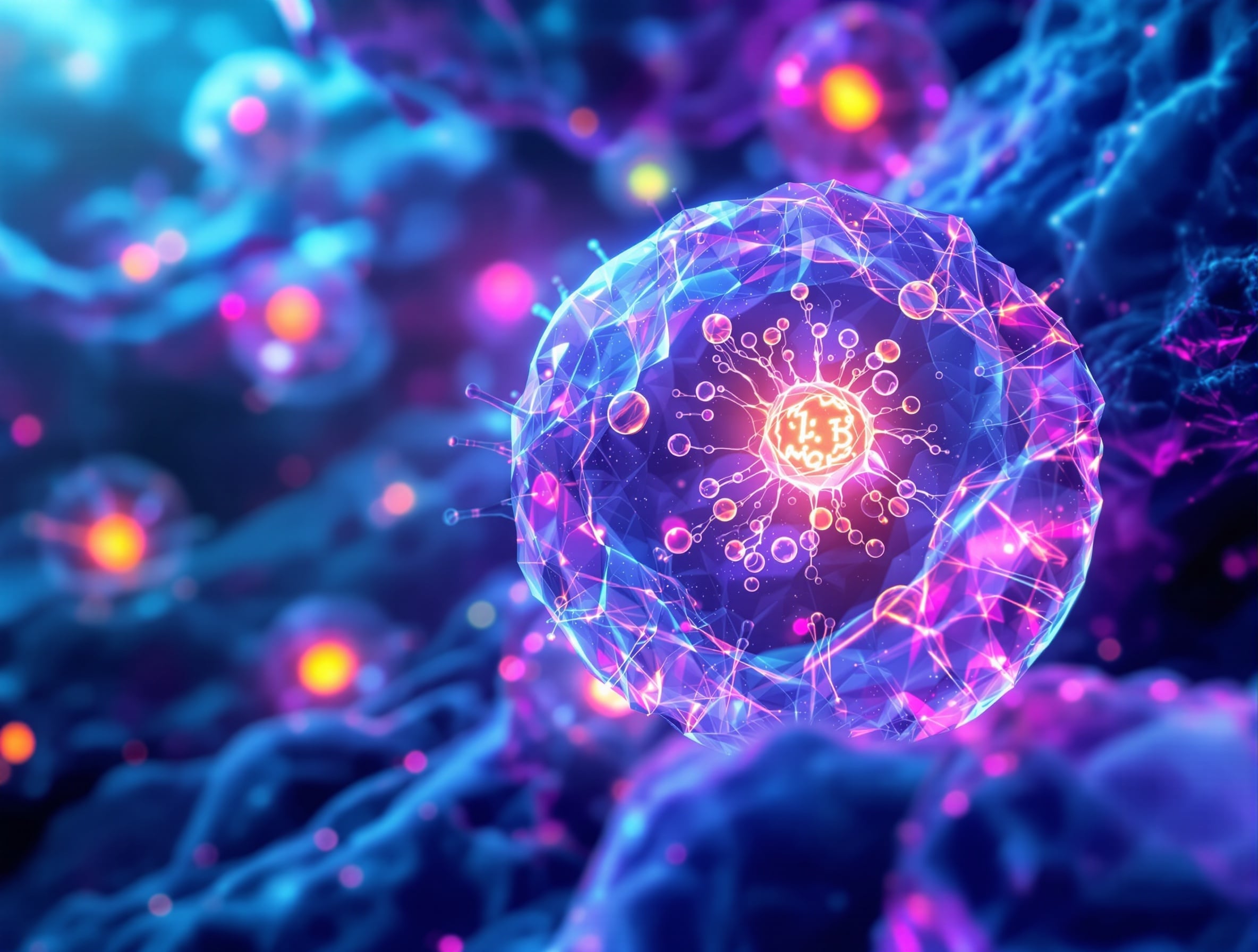
Deep Dive into NRF2 Science
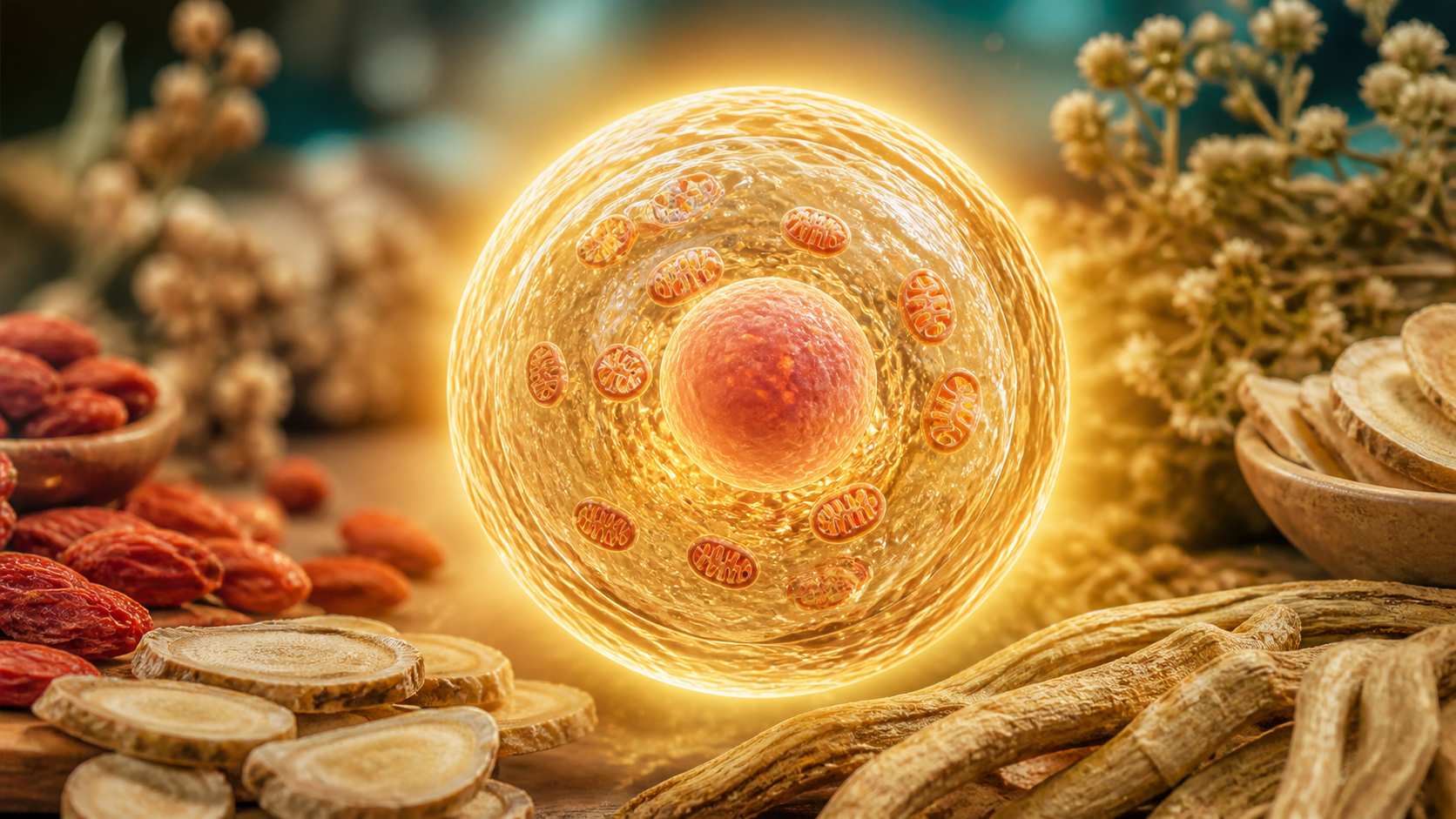
Microscopic view of cells and mitochondria showing NRF2 cellular defense mechanisms
Latest Studies

Featured Research

Cancer Immunotherapy

TERT drives liver tumorigenesis beyond telomere elongation.

Life science alliance2026-Sep

We generated two mouse models, p21+/Tert and p21+/TertCi, expressing either telomerase reverse transcriptase (Tert) or a catalytically inactive varian...

Oxidative Stress

Neuroprotection Against a Panel of Toxicants via a Novel Analog of the Natural Product Fraxinellone.

Chemical research in toxicology2026-May-18

Humans are exposed to a myriad of environmental pollutants, with recent evidence indicating several of these toxicants serve as risk factors for neuro...

Ferroptosis

OGDH primes macrophage for M1-like polarization and ferroptosis in sepsis associated acute lung injury.

Respiratory research2026-May-16

BACKGROUND: Sepsis-associated acute lung injury (S-ALI) is a clinical syndrome characterized by dysregulated inflammation and overwhelming oxidative s...

Oxidative Stress

Myricetin Attenuates Lipopolysaccharide-Induced Acute Lung Injury by Suppressing Pyroptosis via Activation of the Nrf2/HO-1/NQO1 Signaling Pathway.

Archives of biochemistry and biophysics2026-May-16

OBJECTIVE: To investigate the protective role and underlying mechanisms of Myricetin (Myr) in lipopolysaccharide (LPS)-induced acute lung injury (ALI)...

Drug Development

Berberine alleviates radiation-induced intestinal injury by inhibiting cellular senescence.

Radiation oncology (London, England)2026-May-16

OBJECTIVES: The aim was to study the inhibitory effect of berberine (BBR) on intestinal senescence induced by radiation and explore its mechanism. MET...

Oxidative Stress

Lycopene, quercetin and silymarin alleviate tartrazine-induced liver injury via modulating Nrf2 signaling and endoplasmic reticulum stress pathways.

The Journal of nutritional biochemistry2026-May-16

Tartrazine is a synthetic lemon-yellow azo dye that is widely used as a coloring agent in food products, drugs, and cosmetics. Tartrazine was reported...

New: Foods Encyclopedia

NRF2-Activating Foods

Explore 30+ scientifically-researched foods that activate your NRF2 pathway — from broccoli sprouts to turmeric, backed by peer-reviewed studies.

Free Assessment

What's Your NRF2 Health Score?

Take our 2-minute science-backed quiz to discover your oxidative stress risk level and get personalized NRF2 activation recommendations.

Take the Quiz
From the Blog

Latest Articles

Harnessing Hypoxia: How Preconditioned Dental Stem Cells Boost NRF2 and Combat Liver Failure
science

Harnessing Hypoxia: How Preconditioned Dental Stem Cells Boost NRF2 and Combat Liver Failure

Acetaminophen overdose is a leading cause of acute liver failure, driven by oxidative stress and mitochondrial damage. New research reveals that dental pulp stem cells (DPSCs) preconditioned under hypoxia (low oxygen) significantly enhance their therapeutic potential. By activating the MYC-HIF1A/HIF-1α-BNIP3 pathway, these hypoxia-conditioned DPSCs boost mitophagy and antioxidant defenses regulated by NRF2, reducing liver injury more effectively than normoxic stem cells. This breakthrough offers a promising stem cell-based strategy to combat liver failure by harnessing the body's natural cellular defense mechanisms.

Natural Herbs Target Ferroptosis and NRF2 to Combat PCOS Symptoms
research

Natural Herbs Target Ferroptosis and NRF2 to Combat PCOS Symptoms

New research reveals how natural herbaceous plants can help manage polycystic ovary syndrome (PCOS) by targeting ferroptosis and activating the NRF2 antioxidant pathway. This multi-targeted approach addresses hormonal imbalance, insulin resistance, oxidative stress, and inflammation, offering a safer, holistic treatment option. Discover how compounds like platycodin D and berberine modulate key molecular pathways to protect cellular health and improve PCOS outcomes.

Unlocking Neem’s Power: How Azadirachta indica Activates NRF2 and Fights Oxidative Stress
science

Unlocking Neem’s Power: How Azadirachta indica Activates NRF2 and Fights Oxidative Stress

Discover how Azadirachta indica (neem), a traditional medicinal plant, activates the NRF2 antioxidant pathway to combat oxidative stress. This comprehensive review maps over 140 neem phytochemicals to key molecular targets, revealing promising antiproliferative, neuroprotective, and antidiabetic effects. While neem’s modulation of NRF2 and other signaling hubs offers exciting therapeutic potential against cancer and neurodegenerative diseases, clinical validation and safety guidelines remain crucial. Learn how modern research bridges neem’s ancient heritage with cutting-edge science to unlock its role in cellular defense.

NRF2 pathway activation network background

Stay at the Forefront of NRF2 Research

Join thousands of researchers, clinicians, and health-conscious individuals receiving the latest NRF2 breakthroughs.