Evidence-based guides on activating NRF2 through diet, supplements, lifestyle, and the latest research breakthroughs.
A new systematic review reveals that avocado consumption can reduce inflammation and oxidative stress by boosting antioxidant enzymes and modulating key molecular pathways. These effects, likely involving NRF2 activation, support avocado’s role in protecting against chronic diseases like diabetes and cardiovascular conditions. Whether eaten fresh or as byproducts, avocado shows promise in enhancing the body’s cellular defense and reducing harmful oxi-inflammation.
Omega-3 fatty acids DHA and EPA activate NRF2 through lipid-derived electrophilic mediators, creating a powerful anti-inflammatory and neuroprotective synergy.
Two NRF2 activators have received FDA approval — dimethyl fumarate for multiple sclerosis and omaveloxolone for Friedreich's ataxia — validating NRF2 as a clinically druggable target.
A comprehensive review of NRF2 activator supplements — from sulforaphane and curcumin to combination formulas — backed by current scientific evidence.
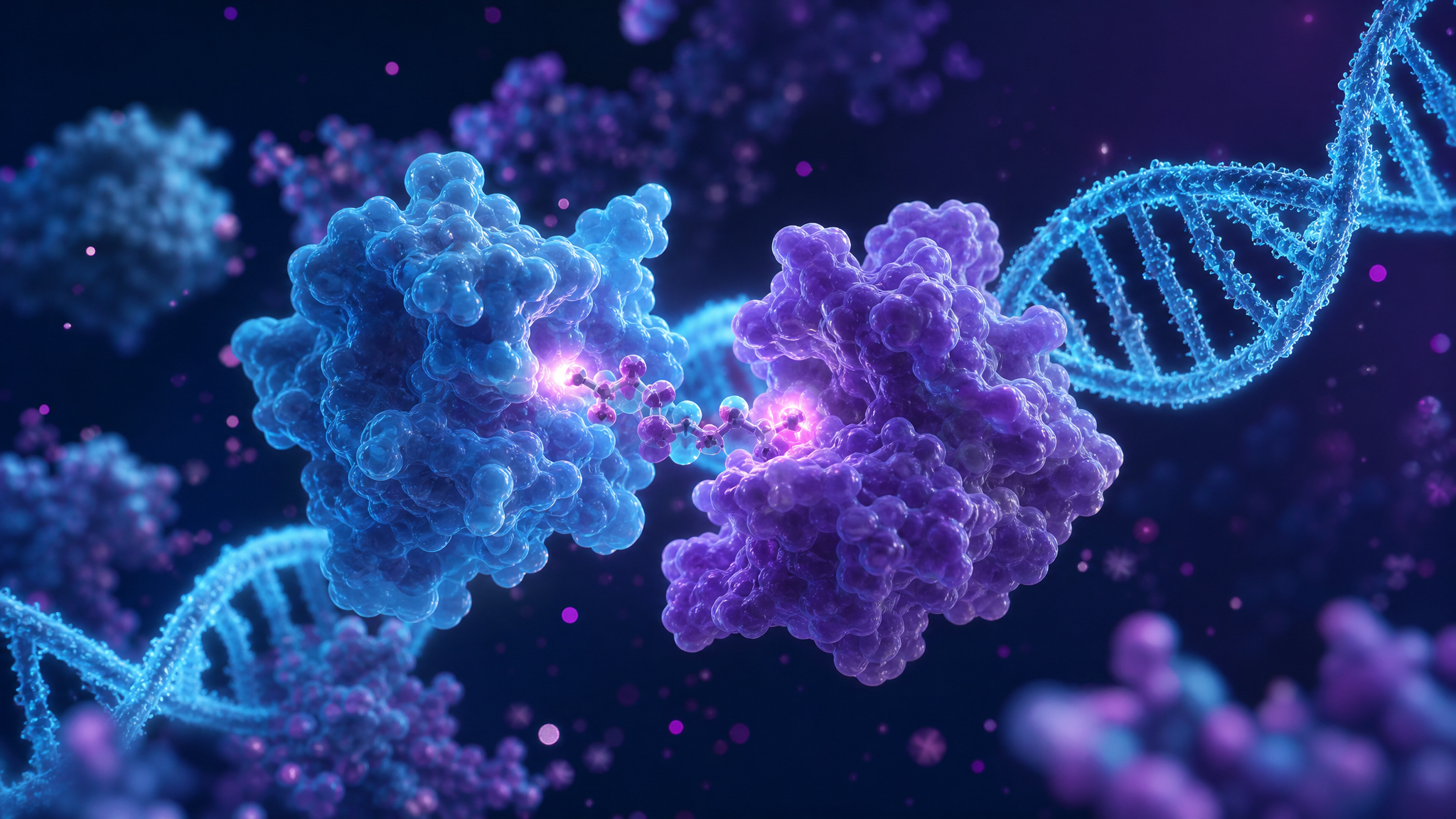
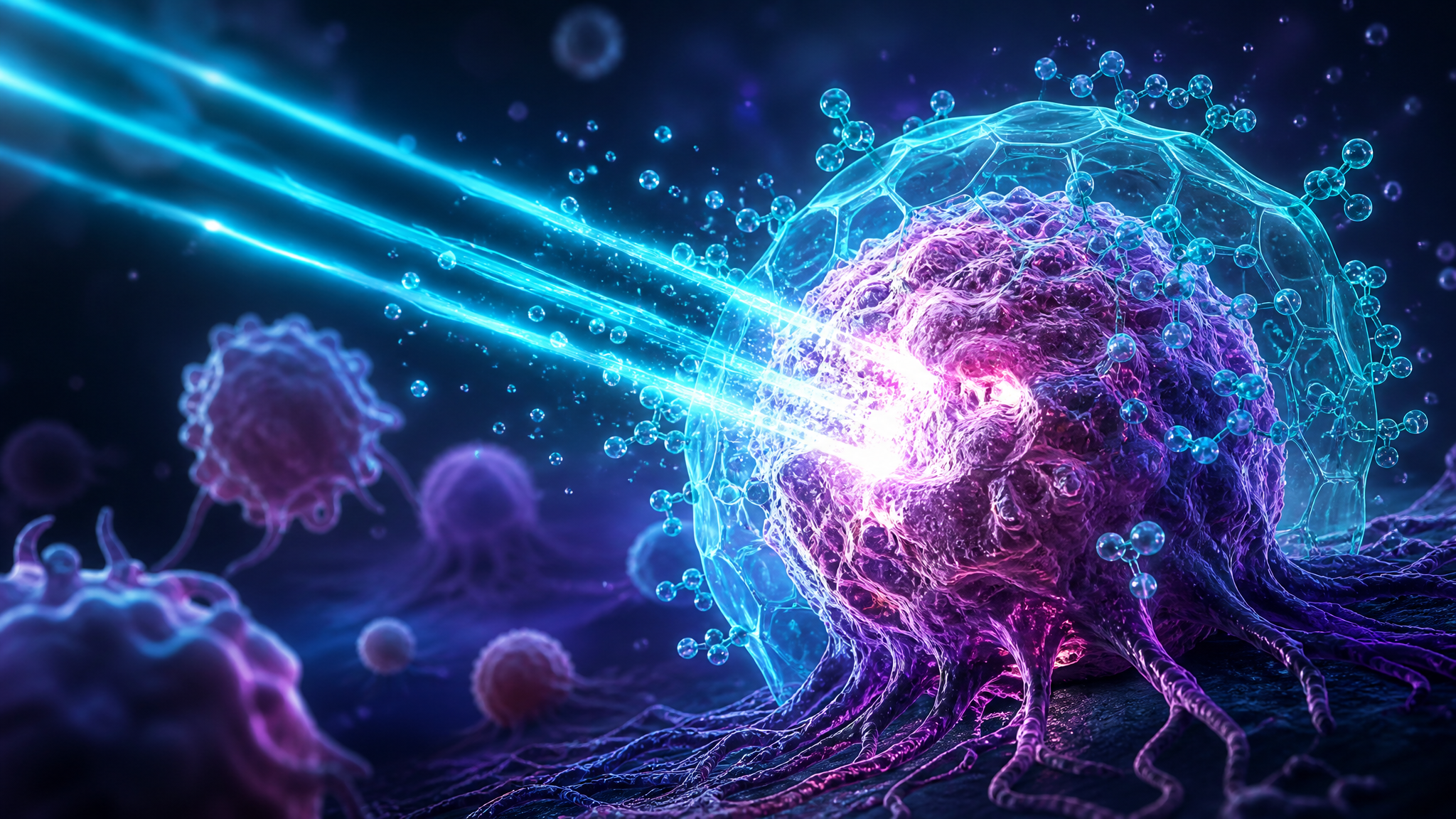
In a groundbreaking 2025 study, researchers used CRISPR to selectively knock down cancer-specific NRF2 mutations, restoring chemotherapy sensitivity in lung cancer models.
Physical exercise is one of the most powerful natural NRF2 activators, working through the principle of hormesis — mild stress that triggers robust cellular defense responses.
Epigallocatechin gallate (EGCG), the primary polyphenol in green tea, activates NRF2 through multiple mechanisms and has been shown to enhance cellular defense across thousands of studies.
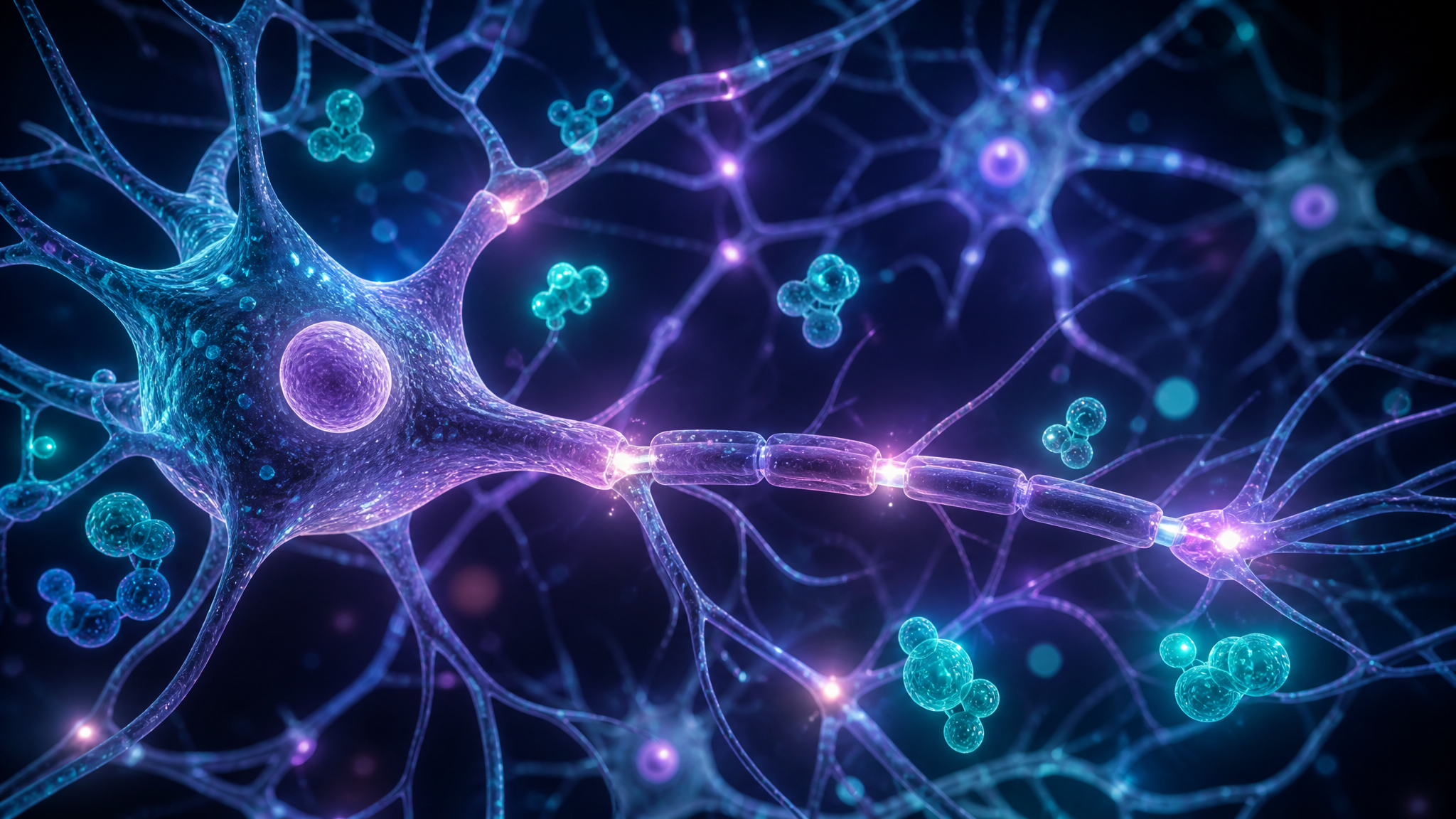
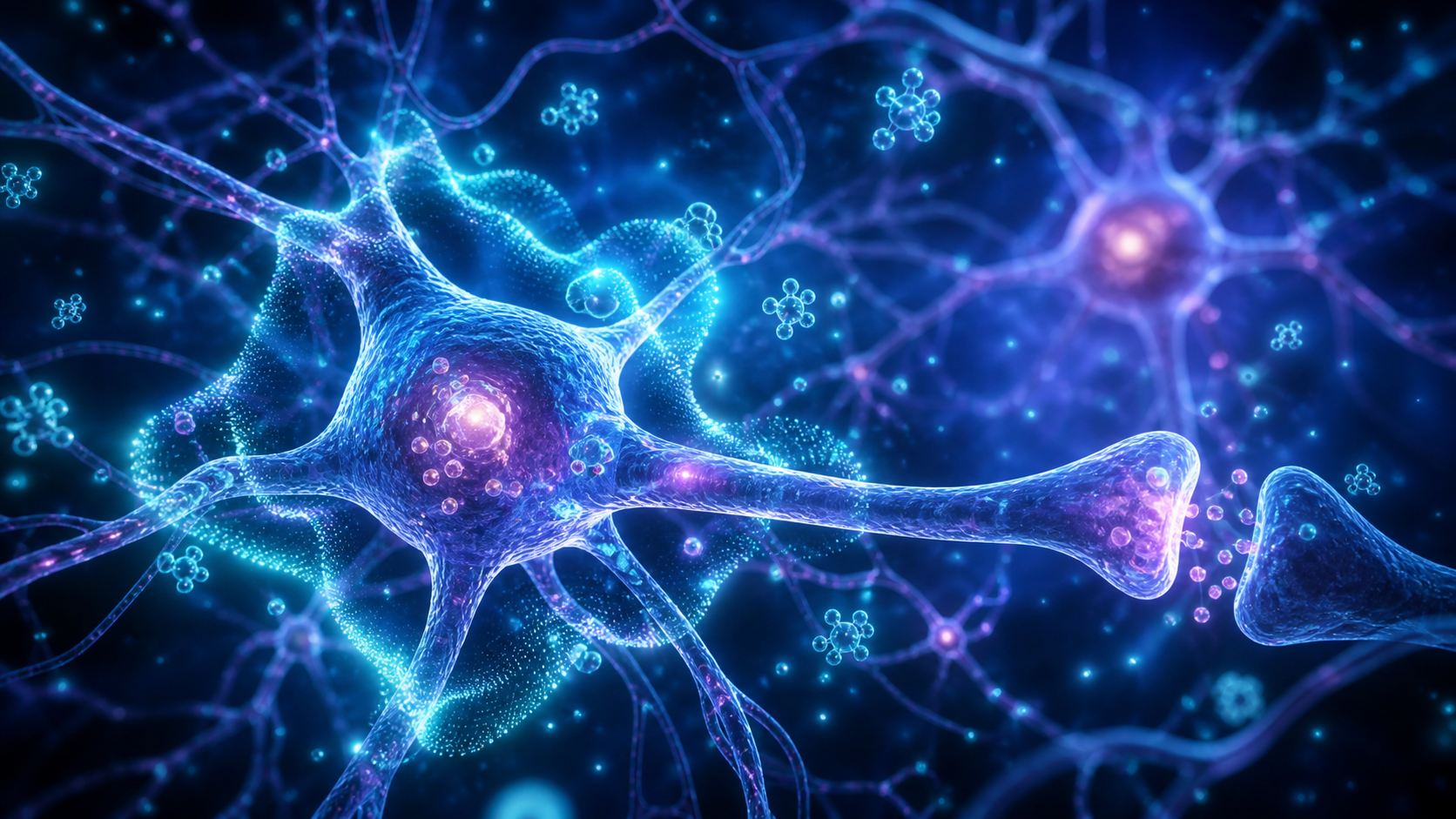
NRF2 activation shows promise against Alzheimer's disease by reducing amyloid-beta production, combating neuroinflammation, and protecting mitochondrial function in the brain.
NRF2 exhibits a fascinating 'Janus-faced duality' in cancer — protecting normal cells from carcinogenesis while potentially promoting tumor survival in established cancers.
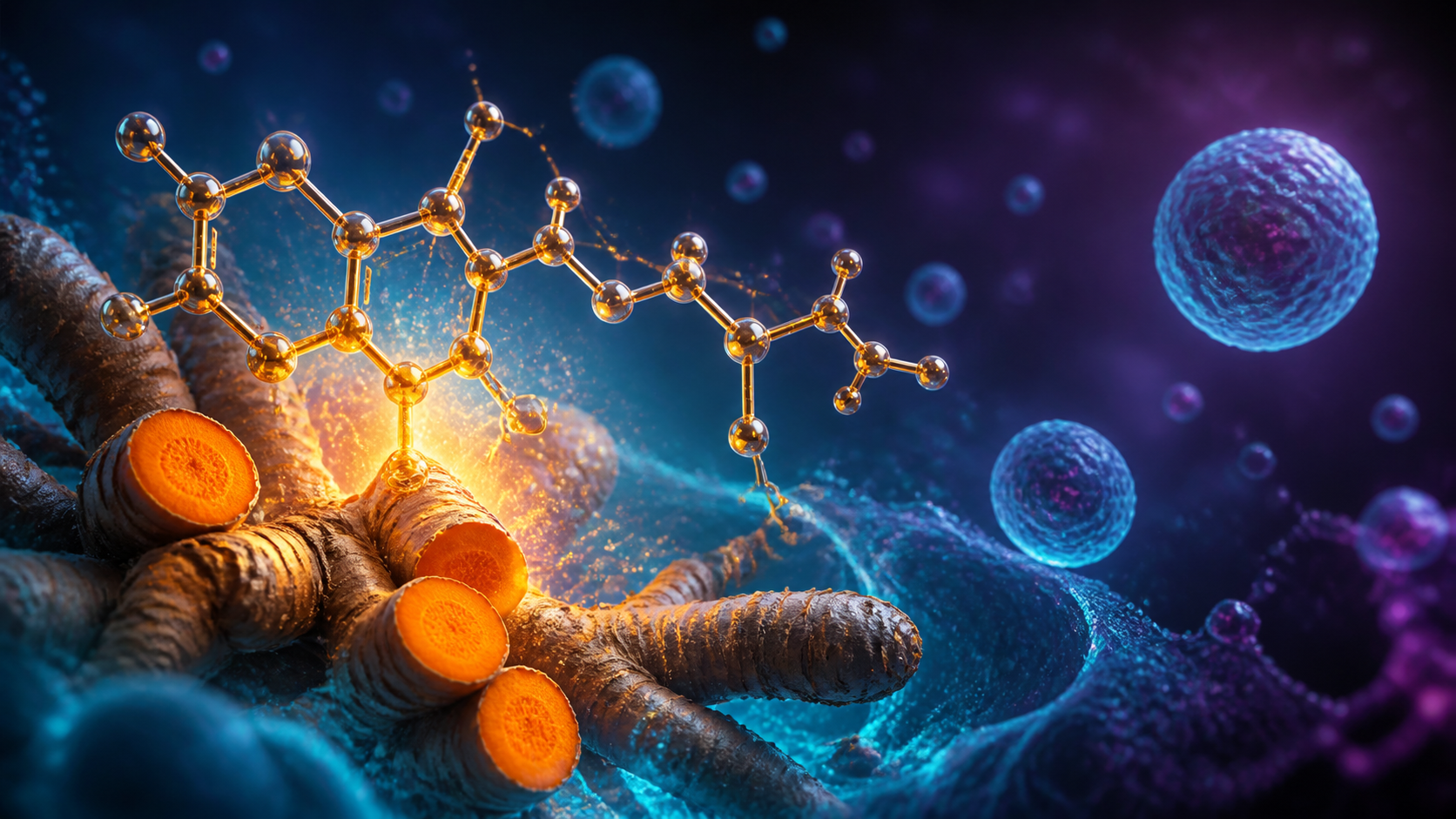
Curcumin, the active compound in turmeric, activates NRF2 by directly modifying KEAP1 cysteine residues. With over 12,000 published studies, it's one of the most researched natural compounds.
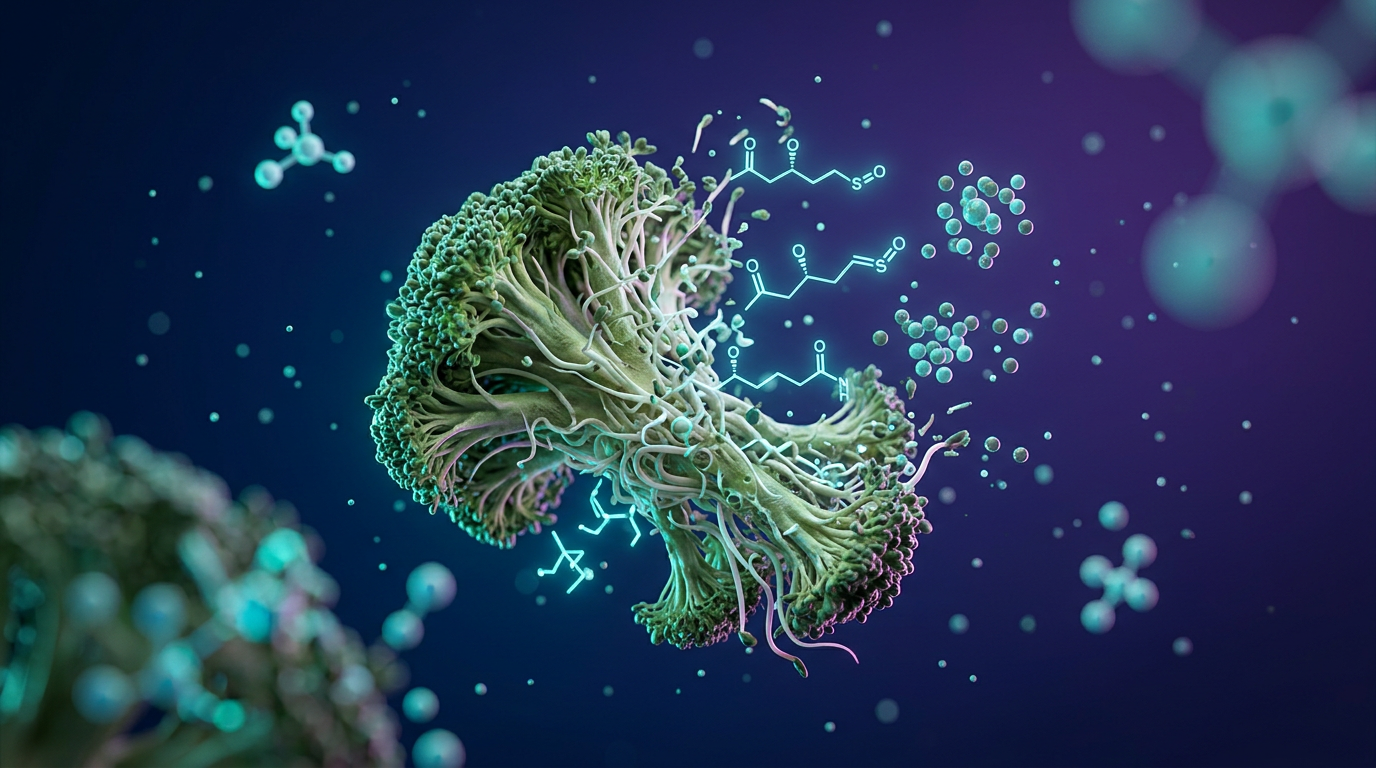
Broccoli sprouts contain up to 100x more sulforaphane than mature broccoli, making them the most potent natural NRF2 activator identified in scientific research.