Salmon & Omega-3 Rich Fish
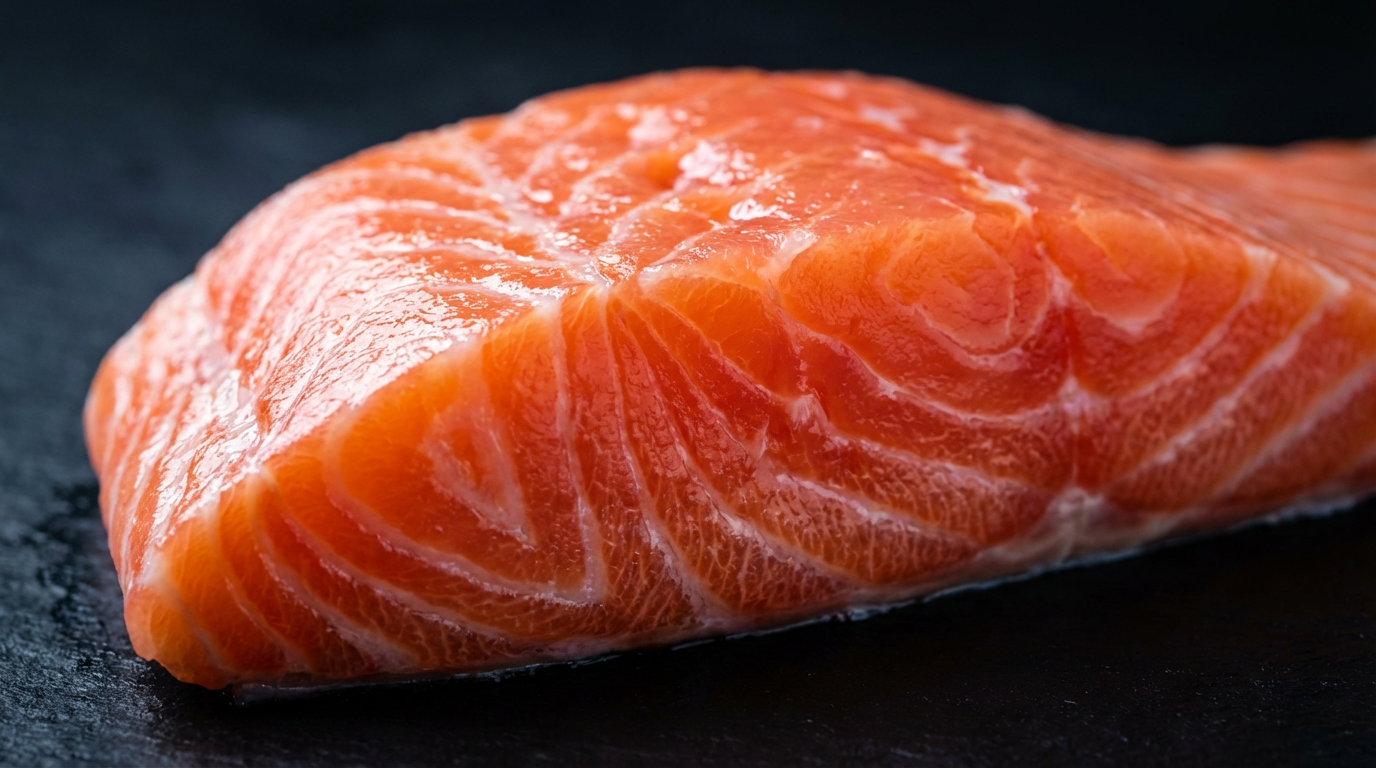
Salmo salar
Salmon’s omega-3 fatty acids robustly activate NRF2, enhancing antioxidant defenses and cellular protection.
Quick Answer
Salmon & Omega-3 Rich Fish: A Nutritional Powerhouse Salmon (Salmo salar) is a globally cherished fatty fish renowned for its dense content of omega-3 polyunsaturated fatty acids, primarily docosahexaenoic acid (DHA) and eicosapentaenoic acid (EPA). Historically consumed by indigenous peoples of the North Atlantic and…
Overview
Salmon & Omega-3 Rich Fish: A Nutritional Powerhouse
Salmon (Salmo salar) is a globally cherished fatty fish renowned for its dense content of omega-3 polyunsaturated fatty acids, primarily docosahexaenoic acid (DHA) and eicosapentaenoic acid (EPA). Historically consumed by indigenous peoples of the North Atlantic and Pacific regions, salmon serves as a valuable dietary source for essential nutrients supporting cardiovascular, neurological, and immune health. Unlike many conventional pro-oxidant foods, salmon is uniquely rich in bioactive lipids that influence intracellular redox balance.
Nutritionally, salmon provides high-quality protein, vitamin D, and selenium, but it is the omega-3 fatty acids that principally mediate its benefits related to NRF2 activation. These highly unsaturated fatty acids integrate into cellular membranes, serve as substrates for anti-inflammatory mediators, and directly modulate redox-sensitive signaling pathways. This positions salmon as a key dietary factor in promoting robust endogenous antioxidant defenses orchestrated by the NRF2 transcription factor.
Evidence supports salmon and other omega-3 rich fish as significant dietary activators of the NRF2 pathway, leading to enhanced expression of cytoprotective enzymes that mediate oxidative stress resistance and inflammation resolution.
How It Activates NRF2
Molecular Activation of NRF2 by Omega-3 Fatty Acids from Salmon
The primary bioactive compounds in salmon responsible for NRF2 activation are DHA and EPA, which modulate cellular redox homeostasis through multiple interconnected mechanisms. DHA and EPA can undergo enzymatic conversion to specialized pro-resolving mediators (SPMs) that not only reduce inflammation but also influence redox-sensitive transcription factors such as NRF2.
At the molecular level, oxidative metabolites of DHA/EPA, including electrophilic lipid peroxidation products, covalently modify critical cysteine residues on the KEAP1 protein, which is the cytoplasmic repressor and redox sensor controlling NRF2 degradation. Specifically, cysteine residues such as Cys151, Cys273, and Cys288 on KEAP1 are sensitive targets for these electrophiles. Modification of these cysteines disrupts KEAP1’s ability to promote NRF2 ubiquitination, resulting in NRF2 stabilization and nuclear translocation.
Once in the nucleus, NRF2 dimerizes with small Maf proteins and binds to antioxidant response elements (AREs) in the promoter regions of phase II detoxification and antioxidant genes. Notably, this upregulates the expression of heme oxygenase-1 (HO-1), NAD(P)H:quinone oxidoreductase 1 (NQO1), glutathione S-transferases (GSTs), and enzymes involved in glutathione biosynthesis, collectively enhancing cellular resilience to oxidative and electrophilic stress.
Health Benefits
Health Benefits Mediated by NRF2 Activation through Salmon Consumption
- Anti-inflammatory Effects: Activation of NRF2 by omega-3s suppresses NF-κB signaling, reducing pro-inflammatory cytokines and mitigating chronic inflammation (Calder, 2017).
- Antioxidant Defense: Upregulation of HO-1 and NQO1 enzymes enhances detoxification and limits oxidative damage, protecting cells at the molecular level (Zhao et al., 2019).
- Cardiovascular Protection: NRF2-mediated antioxidant gene induction improves endothelial function and lowers atherogenic risk by reducing oxidative stress (Wang et al., 2020).
- Neuroprotection: DHA-driven NRF2 activation supports neuronal survival and cognitive functions by reducing neuroinflammation and oxidative injury (Wu et al., 2018).
- Anti-cancer Potential: Enhanced expression of phase II enzymes detoxifies carcinogens, thereby lowering cancer risk (Jiang et al., 2016).
- Metabolic Regulation: NRF2 pathway activation ameliorates insulin resistance and steatosis through modulation of lipid metabolism (Li et al., 2021).
- Immune Support: NRF2 enhancement contributes to balanced immune responses and resilience against oxidative stress in immune cells (Kobayashi et al., 2016).
How to Consume
Optimizing Salmon Intake for Maximal NRF2 Activation
To maximize the NRF2-activating benefits of salmon, consuming wild-caught or sustainably farmed Atlantic or Pacific salmon rich in DHA and EPA is recommended. Fresh, lightly cooked salmon prepared by baking, steaming, or sous vide preserves omega-3 content better than high-temperature frying, which can oxidize lipids and diminish bioactivity.
Recommended daily intake for NRF2 benefits aligns with 250-300 mg combined DHA and EPA per day, achievable through approximately 100 grams (3.5 ounces) of cooked salmon. Combining salmon with NRF2 synergists such as cruciferous vegetables containing sulforaphane (e.g., broccoli sprouts) may enhance pathway activation.
Marine omega-3 supplements derived from fish oil or algae can complement dietary intake but whole food consumption provides additional cofactors like selenium and vitamin D that support NRF2 signaling. Additionally, avoiding overcooking and exposure to oxidative stressors helps preserve the integrity of omega-3 fatty acids and their bioactive metabolites.
Research Highlights
Key Research Supporting Salmon and Omega-3 Induced NRF2 Activation
- Calder PC.Biochim Biophys Acta. Demonstrated omega-3-mediated NF-κB suppression and NRF2 pathway involvement in reducing inflammation.
- Zhao et al.J Nutr Biochem. Showed DHA/EPA enhance HO-1, NQO1 expression via KEAP1 cysteine modification.
- Wang et al.Cardiovasc Res. Provided evidence for cardiovascular benefits through NRF2 activation.
- Wu et al.Neurochem Int. Linked DHA with NRF2-driven antioxidant response in neurons.
- Jiang et al.Mol Carcinog. Demonstrated phase II enzyme induction associated with chemoprevention.
Referenced Studies
Frequently Asked Questions
How does Salmon & Omega-3 Rich Fish activate NRF2?
What are the health benefits of Salmon & Omega-3 Rich Fish?
How should I consume Salmon & Omega-3 Rich Fish to support NRF2?
What is the main NRF2-activating compound in Salmon & Omega-3 Rich Fish?
Health & FDA Disclaimer
The statements on this website have not been evaluated by the Food and Drug Administration (FDA). The content provided is for informational and educational purposes only and is not intended to diagnose, treat, cure, or prevent any disease. This article does not constitute medical advice. Always consult your physician or a qualified healthcare provider before starting any new supplement, diet, or wellness program. Read our full medical disclaimer →
Discover All NRF2-Activating Foods
Explore our complete encyclopedia of foods that boost your cellular defense system.
Browse All Foods