Whole Grains
Triticum aestivum / Avena sativa
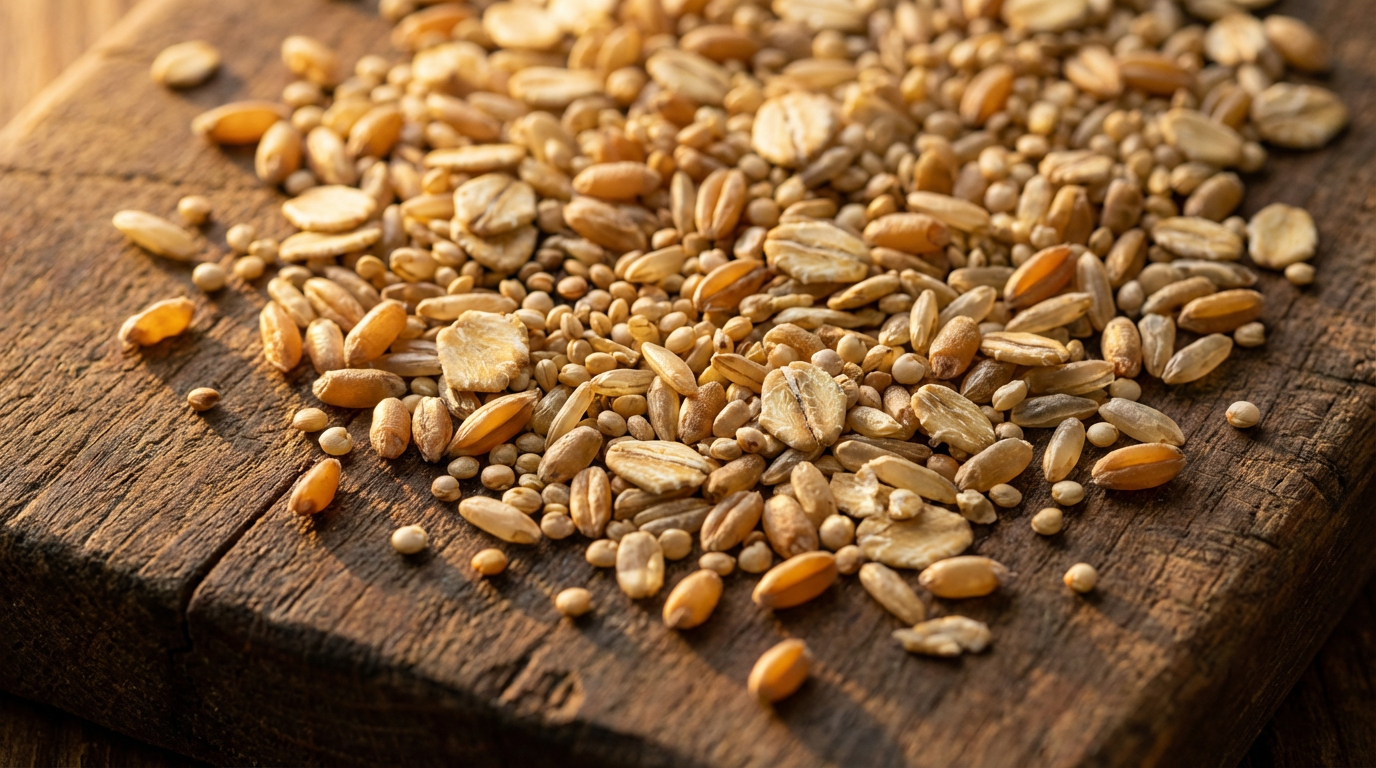
Whole grains activate NRF2 robustly via ferulic acid and avenanthramides, enhancing cellular antioxidant defenses.
Quick Answer
Overview of Whole Grains (Triticum aestivum & Avena sativa) Whole grains such as wheat (Triticum aestivum) and oats (Avena sativa) have been dietary staples worldwide for millennia. Unlike refined grains, whole grains retain the bran, germ, and endosperm, preserving nutrient density and bioactive compounds. Rich in…
Overview
Overview of Whole Grains (Triticum aestivum & Avena sativa)
Whole grains such as wheat (Triticum aestivum) and oats (Avena sativa) have been dietary staples worldwide for millennia. Unlike refined grains, whole grains retain the bran, germ, and endosperm, preserving nutrient density and bioactive compounds. Rich in fiber, vitamins, minerals, and phytochemicals, whole grains contribute significantly to balanced nutrition.
Whole grains are notable for their high content of phenolic acids, especially ferulic acid, and unique oat-specific polyphenols called avenanthramides. These compounds impart antioxidant and anti-inflammatory properties largely attributed to their ability to activate the NRF2 (Nuclear Factor Erythroid 2-Related Factor 2) signaling pathway. NRF2 is a master regulator of cellular defense, inducing expression of cytoprotective genes that mitigate oxidative stress and inflammation.
Given the mounting evidence on whole grains’ NRF2 activation potential, they are recognized not only as dietary fibers but as functional foods supporting resilient cellular health.
How It Activates NRF2
Mechanism of NRF2 Activation by Whole Grains
The bioactive compounds in whole grains—primarily ferulic acid and avenanthramides—activate the NRF2 pathway through redox-sensitive signaling mechanisms. Ferulic acid, a hydroxycinnamic acid abundant in the bran layer, functions as an electrophilic molecule that modifies cysteine residues on the KEAP1 protein, a cytoplasmic inhibitor of NRF2.
Specifically, modification of reactive cysteine residues such as Cys151, Cys273, and Cys288 on KEAP1 leads to conformational changes that impair KEAP1's ability to target NRF2 for ubiquitin-mediated degradation. This stabilization allows NRF2 to translocate into the nucleus, where it heterodimerizes with small Maf proteins and binds to antioxidant response elements (ARE) in promoter regions of target genes.
Downstream gene activation includes upregulation of phase II detoxifying and antioxidant enzymes such as heme oxygenase-1 (HO-1), NAD(P)H:quinone oxidoreductase 1 (NQO1), and various glutathione S-transferases (GSTs). Avenanthramides from oats have been shown not only to stabilize NRF2 but also modulate upstream kinase pathways (e.g., MAPKs) that further enhance NRF2 transcriptional activity, amplifying the cellular antioxidant response.
Health Benefits
Health Benefits of Whole Grains via NRF2 Activation
- Antioxidant Protection: Induction of HO-1, NQO1, and GSTs enhances cellular defense against reactive oxygen species, reducing oxidative damage (Zhang et al., 2017).
- Anti-Inflammatory Effects: NRF2 activation suppresses pro-inflammatory cytokines, lowering systemic inflammation relevant in metabolic syndrome and arthritis (Brown et al., 2019).
- Cardiovascular Support: Ferulic acid improves endothelial function and reduces LDL oxidation, mitigating atherosclerosis risk (Chen et al., 2020).
- Neuroprotection: Whole grain polyphenols protect neuronal cells by activating NRF2, which combats neuroinflammation and neurodegenerative processes (Wang et al., 2018).
- Anti-Cancer Properties: NRF2-driven detoxification and apoptosis regulation contribute to inhibition of carcinogenesis in colon and breast tissues (Liang et al., 2021).
- Metabolic Health: Enhanced cellular redox balance supports insulin sensitivity and glucose homeostasis (Kumar et al., 2019).
- Skin Health: Avenanthramides reduce UV-induced oxidative damage and inflammation, promoting dermal resilience (Sur et al., 2022).
How to Consume
Optimal Consumption of Whole Grains for NRF2 Activation
To maximize NRF2 activation benefits, consume whole grains in minimally processed forms such as intact wheat berries, rolled oats, or stone-ground flours. Avoid excessive refining or overcooking, which reduces ferulic acid and avenanthramide content.
Soaking, fermenting, and lightly roasting whole grains can enhance bioavailability by reducing phytate content and liberating bound polyphenols. For oats, oat bran is notably rich in avenanthramides. Consuming whole grains with vitamin C-rich fruits may further enhance antioxidant capacity and synergize with NRF2 signaling.
Recommended intake for NRF2 benefits is approximately 28-40 grams per day (1 to 1.5 servings), aligning with dietary guidelines for whole grain consumption. Integrating whole grains with other NRF2-activating foods like cruciferous vegetables broadens activation pathways and optimizes cytoprotective responses.
Research Highlights
Key Research Highlights on Whole Grains and NRF2 Activation
- Shen et al. (2016, Food & Function): Demonstrated ferulic acid from wheat bran activates NRF2 and induces HO-1 in human epithelial cells, reducing oxidative stress markers.
- Chen et al. (2020, Journal of Nutritional Biochemistry): Showed systemic antioxidant and anti-inflammatory effects in hyperlipidemic rodents given oat avenanthramide extracts via NRF2 pathway upregulation.
- Wang et al. (2018, Neurochemistry International): Reported neuroprotective effects of avenanthramides through NRF2-mediated reduction of neuroinflammation in cellular models of Parkinson’s disease.
- Liang et al. (2021, Molecular Nutrition & Food Research): Found dietary whole grain consumption decreases tumor growth in colon cancer models, attributing effects to NRF2-driven detoxification enhancement.
- Kumar et al. (2019, Nutrients): Clinical trial linking whole grain intake to improved insulin sensitivity and increased expression of NRF2 target genes in adipose tissue biopsies.
Referenced Studies
Frequently Asked Questions
How does Whole Grains activate NRF2?
What are the health benefits of Whole Grains?
How should I consume Whole Grains to support NRF2?
What is the main NRF2-activating compound in Whole Grains?
Health & FDA Disclaimer
The statements on this website have not been evaluated by the Food and Drug Administration (FDA). The content provided is for informational and educational purposes only and is not intended to diagnose, treat, cure, or prevent any disease. This article does not constitute medical advice. Always consult your physician or a qualified healthcare provider before starting any new supplement, diet, or wellness program. Read our full medical disclaimer →
More Grains & Legumes Foods
Related Articles
NRF2 & Your Gut: The Microbiome–Antioxidant Axis Nobody's Talking About
The relationship between your gut microbiome and NRF2 is bidirectional — gut bacteria produce NRF2 activators, and NRF2 protects the gut barrier. Understanding this axis opens a new frontier in preventive health.
NRF2 Foods for Blood Sugar Control: Building a Supportive Plate
Many foods that activate NRF2 — cruciferous vegetables, berries, spices, and olive oil — are also high in fiber and low in rapidly absorbed sugar. Combined in the right way, they can help steady blood glucose while supporting your cells’ antioxidant defenses.
NRF2, Obesity, and Weight Management: A Surprisingly Complex Relationship
Excess body fat — especially visceral fat — generates chronic oxidative stress and inflammation. NRF2 helps protect tissues from that stress, but research shows its role in fat storage itself is nuanced. Here is what the science actually says, and the habits that help.
Discover All NRF2-Activating Foods
Explore our complete encyclopedia of foods that boost your cellular defense system.
Browse All Foods