NRF2 cellular pathway visualization showing molecular defense mechanisms
The Science of Cellular Defense

Unlock the Power of NRF2

Explore breakthrough research on the master regulator of cellular defense. From cancer immunotherapy to neuroprotection — evidence-based science, made accessible.

Quick Quiz — Free eBook

Do you currently take an NRF2 Activator?

Answer to unlock your free NRF2 eBook

0+

Published Studies

0+

Years of Research

0+

Regulated Genes

0 FDA Approvals

NRF2 Activators

Understanding NRF2

The Master Regulator of Cellular Defense

Nuclear factor erythroid 2-related factor 2 (NRF2) is a transcription factor found in nearly every cell. When activated, it orchestrates the expression of over 200 protective genes — the body's most powerful defense network against oxidative stress, inflammation, and cellular damage.

Think of NRF2 as a master switch. When turned "on," it activates your cells' innate defense systems. When suppressed, cells become vulnerable to damage from environmental toxins, aging, and disease.

"NRF2 is likely the most important health-promoting pathway discovered in the foreseeable future."— University of Washington Research
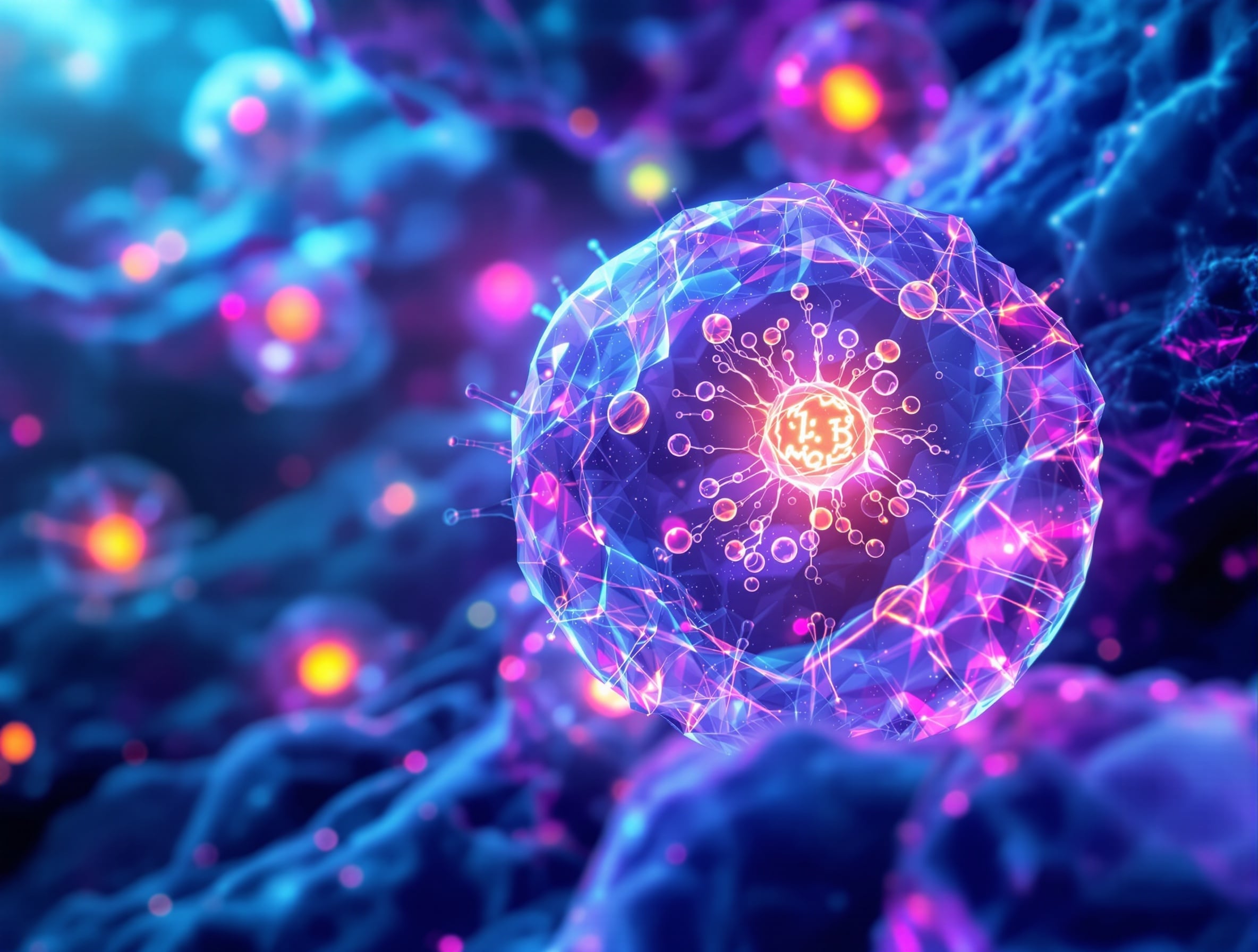
Microscopic view of cells and mitochondria showing NRF2 cellular defense mechanisms
Latest Studies

Featured Research

Oxidative Stress

PI3K-Akt signaling network crosstalk in cerebral ischemia/reperfusion injury: Mechanisms and therapeutic implications.

Chinese medical journal2026-Sep-20

Cerebral ischemia (CI) is an acute central nervous system disorder resulting from the abrupt interruption of blood flow to brain tissue. The restorati...

Drug Development

NRF2 signaling drives chemoresistance in NSCLC and glioblastoma.

Molecular and cellular biochemistry2026-Sep-19

Although great advances have been made in cancer treatment, lung cancer and glioblastoma patients continue to present a dismal prognosis, mainly due t...

Oxidative Stress

Reprogramming NAD

Toxicology and applied pharmacology2026-Sep-19

Pulmonary fibrosis arises from intertwined oxidative, inflammatory, and profibrotic processes, whereas current therapies target only parts of this net...

Oxidative Stress

Lactiplantibacillus plantarum YZ2 immersion reduces chloramphenicol residues in common carp (Cyprinus carpio).

The Journal of nutrition2026-Sep-19

BACKGROUND: The antibiotic toxicity and risks associated with their residues pose a serious threat to food safety. OBJECTIVE: The aim of this study is...

Drug Development

The antiproliferative and pro-apoptotic effects of 3-deoxy-3α-fluoro-chenodeoxycholic acid and 12β-methyl-3,7-dioxo-17-epi-25-homo-18-nor-5β-cholan-25-oic acid on human breast cancer cell lines.

Bioorganic & medicinal chemistry letters2026-Sep-19

Bile acid derivatives have emerged as promising candidates in cancer therapeutics due to their ability to modulate key cellular signalling pathways, i...

Oxidative Stress

Aging-modulatory effects of Pausinystalia macroceras (K. Schum.) Pierre polysaccharides are associated with DAF-16/FOXO and SKN-1/Nrf2 signaling in multiple aging models.

Biogerontology2026-Sep-19

With the global aging population and increasing burden of age-related diseases, delaying aging and maintaining healthspan have become important resear...

New: Foods Encyclopedia

NRF2-Activating Foods

Explore 30+ scientifically-researched foods that activate your NRF2 pathway — from broccoli sprouts to turmeric, backed by peer-reviewed studies.

Free Assessment

What's Your NRF2 Health Score?

Take our 2-minute science-backed quiz to discover your oxidative stress risk level and get personalized NRF2 activation recommendations.

Take the Quiz
From the Blog

Latest Articles

How Nigella Sativa and Echinacea Boost NRF2 to Protect Kidneys from Cyclosporine Toxicity
science

How Nigella Sativa and Echinacea Boost NRF2 to Protect Kidneys from Cyclosporine Toxicity

Cyclosporine A is a vital immunosuppressant but causes kidney and immune damage through oxidative stress and inflammation. New research shows that natural antioxidants Nigella sativa oil and Echinacea purpurea extract can activate the NRF2 pathway, reducing oxidative damage and restoring immune function in rats. This promising study suggests these natural compounds may help protect patients from cyclosporine’s side effects by enhancing cellular defense mechanisms. Learn how NRF2 modulation by these botanicals offers a multi-faceted approach to combat nephrotoxicity and immunotoxicity.

Unlocking Alzheimer’s Defense: How Lactiflorin Targets Autophagy and Oxidative Stress via ULK1
science

Unlocking Alzheimer’s Defense: How Lactiflorin Targets Autophagy and Oxidative Stress via ULK1

New research reveals that lactiflorin, a natural compound from Paeonia lactiflora, can improve cognitive function and reduce Alzheimer’s disease pathology by targeting autophagy and oxidative stress pathways. By activating ULK1 and promoting P62 phosphorylation, lactiflorin breaks the harmful cycle between autophagic dysfunction and oxidative damage, enhancing cellular defense mechanisms including NRF2-related antioxidant responses. This promising discovery opens new avenues for natural therapeutic strategies against neurodegeneration.

NRF2 Oxidative Stress Prevention: How the Body's Master Defender Works
research

NRF2 Oxidative Stress Prevention: How the Body's Master Defender Works

Learn how the NRF2 pathway protects cells from oxidative stress, the research behind it, and what evidence-based activation means for health.

NRF2 pathway activation network background

Stay at the Forefront of NRF2 Research

Join thousands of researchers, clinicians, and health-conscious individuals receiving the latest NRF2 breakthroughs.