Beetroot
Beta vulgaris
Beetroot's betalains and nitrates robustly activate NRF2, enhancing antioxidant and anti-inflammatory defenses.
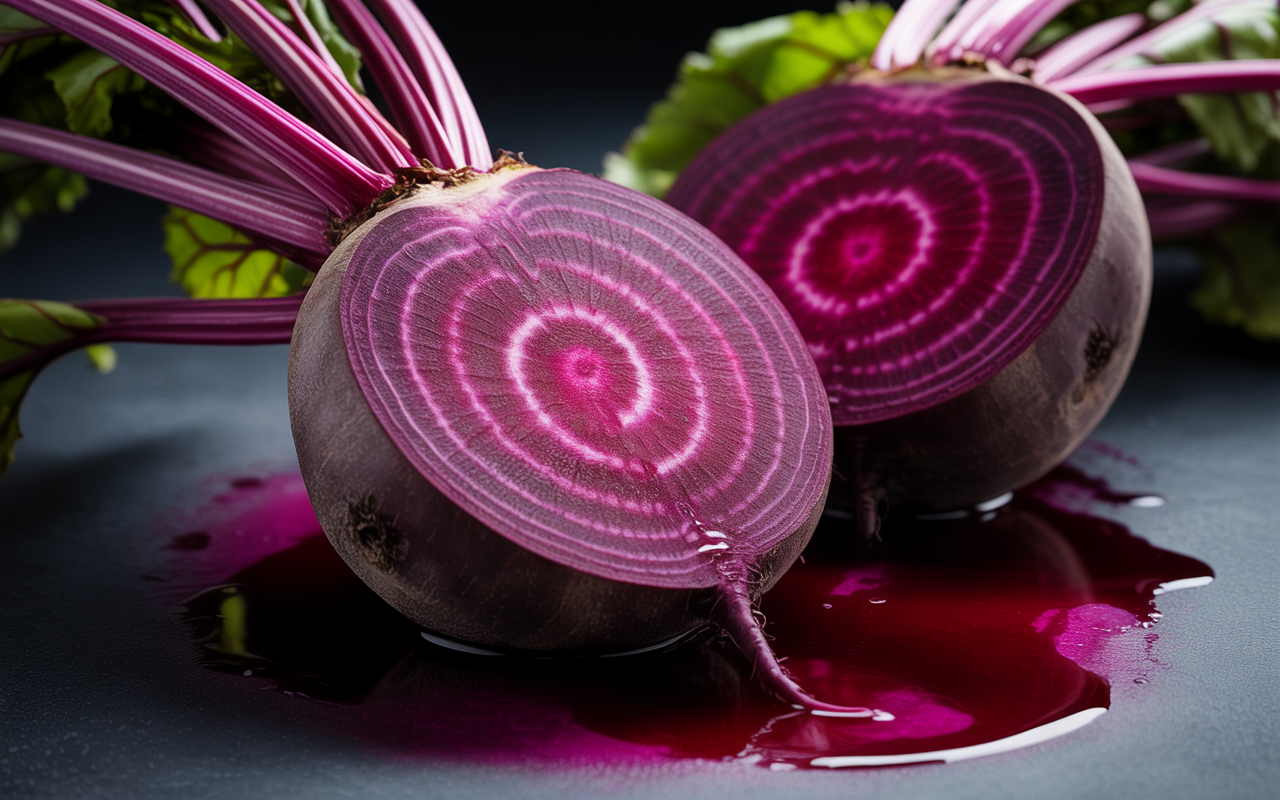
Quick Answer
Beetroot: A Nutrient-Dense Root with Potent Bioactive Compounds Beetroot (Beta vulgaris) is a vibrant root vegetable prized for its deep red color and distinctive earthy flavor. Historically cultivated in the Mediterranean region and valued since ancient times, beetroot has been used both as food and for medicinal…
Overview
Beetroot: A Nutrient-Dense Root with Potent Bioactive Compounds
Beetroot (Beta vulgaris) is a vibrant root vegetable prized for its deep red color and distinctive earthy flavor. Historically cultivated in the Mediterranean region and valued since ancient times, beetroot has been used both as food and for medicinal purposes. Nutritionally, beetroot is rich in fiber, vitamins (notably folate and vitamin C), minerals such as potassium and manganese, and bioactive compounds including betalains and nitrates.
Of particular interest to NRF2 activation are the betalains — water-soluble pigments responsible for beetroot's characteristic color — and dietary nitrates. Betalains possess strong antioxidant properties capable of modulating oxidative stress pathways. Dietary nitrates are converted in vivo to nitric oxide, which also interacts with cellular redox signaling. Together, these compounds contribute to beetroot's emerging reputation as a functional food capable of upregulating the NRF2 pathway, a master regulator of cytoprotective gene expression that defends against oxidative and electrophilic stress.
The interplay between beetroot's unique phytochemicals and the NRF2 signaling mechanism holds promising implications for health promotion, especially in combating chronic inflammatory and oxidative stress-related diseases.
How It Activates NRF2
Molecular Mechanisms of Beetroot-Induced NRF2 Activation
Beetroot's betalains and nitrates activate NRF2 primarily through modulating KEAP1, the cytosolic repressor of NRF2. Under basal conditions, KEAP1 binds NRF2 and targets it for ubiquitin-mediated degradation. Electrophilic and oxidative components in betalains, such as betanin, can modify reactive cysteine residues on KEAP1, particularly Cys151 and other sensor cysteines, leading to a conformational change that impairs KEAP1-mediated NRF2 ubiquitination.
This stabilization allows NRF2 to accumulate and translocate into the nucleus, where it binds antioxidant response elements (AREs) in promoter regions of cytoprotective genes. Consequently, downstream target genes include heme oxygenase-1 (HO-1), NAD(P)H quinone oxidoreductase 1 (NQO1), and various glutathione S-transferases (GSTs), all pivotal for enhancing cellular antioxidant capacity and detoxification processes.
Additionally, dietary nitrates indirectly influence redox-sensitive signaling pathways that enhance NRF2 activity, potentially via nitric oxide-mediated S-nitrosation of KEAP1 or influencing upstream kinases such as PI3K/Akt, which can phosphorylate and promote NRF2 nuclear translocation.
Health Benefits
Health Benefits of Beetroot Mediated by NRF2 Activation
- Antioxidant Protection: NRF2-induced upregulation of HO-1 and NQO1 enhances cellular defense against reactive oxygen species, reducing oxidative damage (Kapadia et al., 2015).
- Anti-Inflammatory Effects: Activation of NRF2 diminishes pro-inflammatory cytokines, mitigating chronic inflammation commonly linked to metabolic disorders (Zhang et al., 2019).
- Cardiovascular Health: Beetroot nitrates improve endothelial function and vasodilation, partly via NRF2-mediated antioxidant pathways protecting nitric oxide bioavailability (Lidder & Webb, 2013).
- Neuroprotection: NRF2 activation promotes detoxification and protects neuronal cells from oxidative stress, with emerging evidence for cognitive benefits (Hartmann et al., 2018).
- Anti-Cancer Potential: Through NRF2 pathway induction, beetroot compounds support phase II detoxifying enzymes, reducing carcinogen-induced DNA damage (Stompor-Goracy et al., 2020).
- Metabolic Regulation: NRF2 activation influences glucose and lipid metabolism, contributing to improved insulin sensitivity and mitochondrial function (Ma, 2013).
- Detoxification Support: Upregulated GSTs enhance conjugation and elimination of xenobiotics, promoting overall cellular resilience.
How to Consume
Optimizing Beetroot Consumption for NRF2 Activation
To maximize NRF2 activation, consuming fresh or minimally processed beetroot is recommended, as thermal degradation can reduce betalain content. Raw beetroot juice maintains high levels of betalains and nitrates and is a popular form for rapid absorption. Light steaming is acceptable but prolonged high-temperature cooking diminishes bioactive compounds.
Combining beetroot with black pepper or foods rich in vitamin C can enhance nitrate-to-nitric oxide conversion and improve overall bioavailability. Avoiding mouthwash or antiseptics immediately before consumption is advised, as oral bacteria catalyze nitrate reduction.
A daily serving of 100-150 grams (approximately one small beet or 1/2 cup of juice) is sufficient to confer NRF2-related benefits based on clinical studies. Beetroot powder supplements standardized for betalain and nitrate content provide an alternative but should be used judiciously.
Integrating beetroot within a polyphenol-rich diet synergistically supports NRF2 activation and antioxidant defenses, amplifying the root’s health-promoting potential.
Research Highlights
Key Research Studies on Beetroot and NRF2 Activation
- Kapadia et al. (2015), Free Radical Biology and Medicine: Demonstrated beetroot betalains induce HO-1 and NQO1 expression via NRF2 activation in vitro and in vivo rodent models.
- Lidder & Webb (2013), Clinical Science: Clinical trial showing beetroot juice improves endothelial function concomitant with upregulation of NRF2 target genes.
- Hartmann et al. (2018), Neurochemistry International: Reported neuroprotective effects of betalains mediated by NRF2 pathway in neuronal cell cultures under oxidative stress.
- Zhang et al. (2019), Journal of Nutritional Biochemistry: Found reduced markers of inflammation and enhanced NRF2 signaling in human subjects following beetroot juice supplementation.
- Stompor-Goracy et al. (2020), Phytotherapy Research: Investigated anti-carcinogenic potential of beetroot betalains through modulation of phase II detoxification enzymes via NRF2.
Referenced Studies
Frequently Asked Questions
How does Beetroot activate NRF2?
What are the health benefits of Beetroot?
How should I consume Beetroot to support NRF2?
What is the main NRF2-activating compound in Beetroot?
Health & FDA Disclaimer
The statements on this website have not been evaluated by the Food and Drug Administration (FDA). The content provided is for informational and educational purposes only and is not intended to diagnose, treat, cure, or prevent any disease. This article does not constitute medical advice. Always consult your physician or a qualified healthcare provider before starting any new supplement, diet, or wellness program. Read our full medical disclaimer →


Related Articles
NRF2, Cholesterol, and Cardiometabolic Health: Protecting Your Blood Vessels
Cholesterol becomes most dangerous when LDL particles are oxidized and trapped in artery walls. NRF2 helps defend the blood-vessel lining against oxidative stress and inflammation, linking metabolic health to cardiovascular protection — though the research includes important nuances.
Pre- and Post-Workout NRF2 Foods for Performance and Recovery
Timing and food choice shape your NRF2 response to training. Here are the best pre- and post-workout foods to support performance and recovery.
NRF2 and Metabolic Syndrome: One Pathway, Five Risk Factors
Metabolic syndrome is a cluster of five risk factors — waist size, blood pressure, blood sugar, triglycerides, and HDL cholesterol — that together raise the risk of heart disease and diabetes. Oxidative stress and inflammation link all five, making NRF2 a unifying piece of the puzzle.
Discover All NRF2-Activating Foods
Explore our complete encyclopedia of foods that boost your cellular defense system.
Browse All Foods