Red Grapes & Resveratrol
Vitis vinifera
Red grapes' resveratrol powerfully activates NRF2, enhancing cellular defenses against oxidative stress.
Quick Answer
Red Grapes: History and Nutritional Profile Red grapes (Vitis vinifera) have been cultivated for thousands of years, prized not only for their flavor but also for their rich polyphenol content. Among these, resveratrol and proanthocyanidins stand out as bioactive compounds with profound impacts on human health. These…
Overview
Red Grapes: History and Nutritional Profile
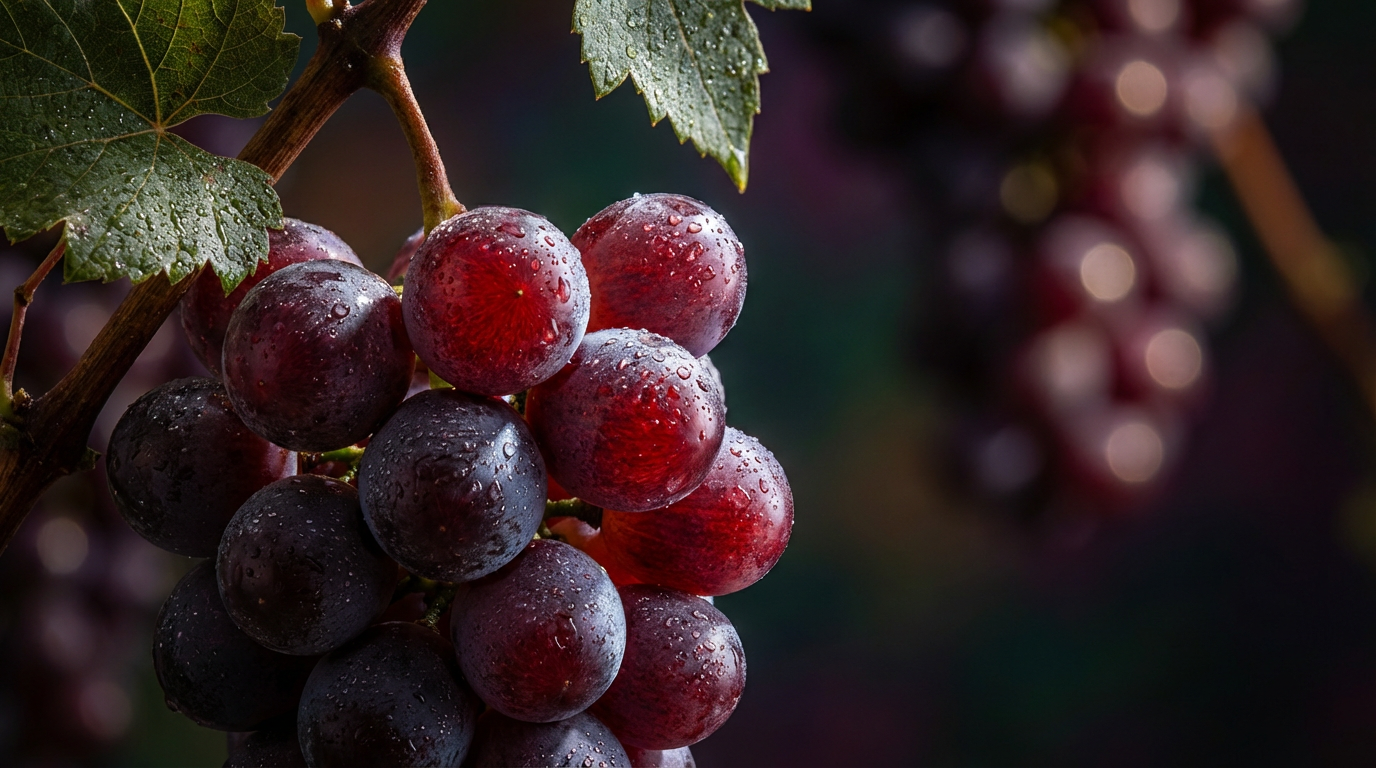
Red grapes (Vitis vinifera) have been cultivated for thousands of years, prized not only for their flavor but also for their rich polyphenol content. Among these, resveratrol and proanthocyanidins stand out as bioactive compounds with profound impacts on human health. These polyphenols are concentrated primarily in the skin and seeds of red grapes, contributing to their antioxidant and anti-inflammatory effects.
Beyond basic nutrition, red grapes are a potent activator of the NRF2 pathway, a master regulator of cellular antioxidant defense. The NRF2 activation potential of resveratrol and proanthocyanidins makes red grapes highly relevant for preventing oxidative damage, chronic inflammation, and related diseases.
The nutritional profile of red grapes includes fibers, vitamins C and K, potassium, and manganese, but it is the polyphenolic content, particularly trans-resveratrol, that mediates most NRF2-related benefits. This positions red grapes as a functional food with promising applications in nutrition and preventive medicine.
How It Activates NRF2
Molecular Mechanisms of NRF2 Activation by Resveratrol and Proanthocyanidins
Resveratrol and proanthocyanidins from red grapes activate NRF2 primarily by modifying KEAP1, the cytosolic repressor protein that targets NRF2 for degradation. Resveratrol electrophilically interacts with specific cysteine residues on KEAP1, notably Cys151, causing conformational changes that release NRF2.
Upon release, NRF2 translocates into the nucleus where it binds to antioxidant response elements (ARE) in the DNA, inducing expression of cytoprotective genes including heme oxygenase-1 (HO-1), NAD(P)H:quinone oxidoreductase 1 (NQO1), and various glutathione S-transferases (GSTs). This upregulation enhances cellular capacity to scavenge reactive oxygen species (ROS), detoxify electrophiles, and maintain redox homeostasis.
Preclinical studies indicate that proanthocyanidins exert a similar effect, promoting NRF2 stabilization and nuclear translocation. In addition, these compounds may activate upstream kinases such as PI3K/Akt and MAPKs which phosphorylate NRF2 and enhance its stability and transcriptional activity.
Health Benefits
NRF2-Mediated Health Benefits of Red Grapes and Resveratrol
- Antioxidant Protection: Enhances cellular defense against oxidative stress by upregulating detoxifying enzymes.
- Anti-inflammatory Effects: NRF2 activation suppresses NF-κB mediated inflammation, reducing chronic inflammatory states.
- Neuroprotection: In models of neurodegenerative diseases, resveratrol-mediated NRF2 activation protects neurons from oxidative damage and apoptosis.
- Cardiovascular Health: Improves endothelial function and reduces atherosclerotic progression through antioxidant and anti-inflammatory mechanisms.
- Anti-cancer Properties: Induces phase II detoxifying enzymes that help neutralize carcinogens and inhibit tumor initiation.
- Metabolic Regulation: NRF2 activation modulates lipid and glucose metabolism, potentially improving insulin sensitivity.
- Skin Protection: Protects skin cells from UV-induced oxidative damage, promoting photoprotection and repair.
How to Consume
Optimizing Consumption for NRF2 Activation
Red grapes can be consumed fresh, in juice form, or as red wine; however, fresh grapes provide the most bioactive resveratrol with minimal processing loss. To maximize NRF2 activation, consuming grapes with skins and seeds intact is crucial due to the high polyphenol content in these parts.
Resveratrol has limited bioavailability, so combining grape consumption with foods high in fats may enhance absorption. Additionally, fermentation processes used in red wine production can concentrate resveratrol, but alcohol presence may have counteracting effects if consumed excessively.
Supplemental trans-resveratrol (50-150 mg daily) is an alternative to achieve consistent NRF2 activation, especially for individuals who do not regularly consume grapes.
For synergistic benefits, consuming red grapes alongside other NRF2-activating foods such as cruciferous vegetables (broccoli) or turmeric (curcumin) may amplify cytoprotective effects.
Research Highlights
Key Research Findings
- Wang et al., 2018 (Free Radical Biology & Medicine): Demonstrated that resveratrol activates NRF2 through direct modification of KEAP1 cysteine residues, enhancing antioxidative enzyme expression in human endothelial cells.
- Baur and Sinclair, 2006 (Nature Reviews Drug Discovery): Reviewed resveratrol’s role in promoting longevity via NRF2-mediated mitochondrial and oxidative stress pathways.
- Csiszar et al., 2013 (Journal of Gerontology): Reported that dietary resveratrol improved vascular and metabolic function in elderly subjects through NRF2-related antioxidant pathways.
- Maraldi et al., 2015 (Oxidative Medicine and Cellular Longevity): Found that proanthocyanidins from grape seeds activated NRF2 and protected neuronal cells from oxidative damage in vitro.
- Mohammed et al., 2020 (Clinical Nutrition): A randomized controlled trial showing red grape polyphenol supplementation decreased markers of oxidative stress and inflammation in metabolic syndrome patients via NRF2 activation.
Referenced Studies
Frequently Asked Questions
How does Red Grapes & Resveratrol activate NRF2?
What are the health benefits of Red Grapes & Resveratrol?
How should I consume Red Grapes & Resveratrol to support NRF2?
What is the main NRF2-activating compound in Red Grapes & Resveratrol?
Health & FDA Disclaimer
The statements on this website have not been evaluated by the Food and Drug Administration (FDA). The content provided is for informational and educational purposes only and is not intended to diagnose, treat, cure, or prevent any disease. This article does not constitute medical advice. Always consult your physician or a qualified healthcare provider before starting any new supplement, diet, or wellness program. Read our full medical disclaimer →
Discover All NRF2-Activating Foods
Explore our complete encyclopedia of foods that boost your cellular defense system.
Browse All Foods