Cinnamon
Cinnamomum verum
Cinnamon's cinnamaldehyde robustly activates NRF2, enhancing cellular antioxidant defenses and promoting detoxification.

Quick Answer
Overview of Cinnamon (Cinnamomum verum) Cinnamon, derived primarily from the bark of Cinnamomum verum , is a historic spice with culinary and medicinal use spanning thousands of years across continents. Traditionally prized for its fragrant aroma and warm flavor, cinnamon is rich in bioactive compounds, chief among…
Overview
Overview of Cinnamon (Cinnamomum verum)
Cinnamon, derived primarily from the bark of Cinnamomum verum, is a historic spice with culinary and medicinal use spanning thousands of years across continents. Traditionally prized for its fragrant aroma and warm flavor, cinnamon is rich in bioactive compounds, chief among them cinnamaldehyde, which contributes not only to its sensory properties but also its potent biological activities. Nutritionally, cinnamon contains flavonoids, phenolic acids, and essential oils, all of which play a synergistic role in modulating cellular processes.
In recent decades, the scientific community has increasingly focused on cinnamon for its capacity to activate the NRF2 (nuclear factor erythroid 2–related factor 2) pathway—a master regulator of antioxidant defense and cellular detoxification. Cinnamaldehyde, the principal active compound, can initiate NRF2-mediated gene expression, underpinning cinnamon’s role in promoting redox homeostasis and protecting against oxidative stress-linked diseases. This makes cinnamon a valuable functional food in the context of preventive health strategies centered on NRF2 activation.
How It Activates NRF2
Mechanism of NRF2 Activation by Cinnamon
Cinnamaldehyde activates the NRF2 pathway primarily through electrophilic modification of KEAP1 (Kelch-like ECH-associated protein 1), the cytosolic inhibitor of NRF2. This modification predominantly targets critical cysteine residues on KEAP1, such as Cys151, Cys273, and Cys288, inducing conformational changes that prevent KEAP1-mediated ubiquitination and degradation of NRF2.
As a result, stabilized NRF2 accumulates and translocates into the nucleus, where it heterodimerizes with small Maf proteins and binds to antioxidant response elements (ARE) in the promoter regions of target genes. This gene activation induces transcription of cytoprotective enzymes, including heme oxygenase-1 (HO-1), NAD(P)H quinone oxidoreductase 1 (NQO1), and glutathione S-transferases (GSTs). These enzymes bolster intracellular antioxidant capacity, facilitate the detoxification of reactive oxygen species and electrophiles, and support phase II metabolism, thereby enhancing cellular resilience against oxidative and electrophilic insults.
Through these well-characterized molecular interactions, cinnamaldehyde from cinnamon effectively upregulates the NRF2 pathway, contributing to multifaceted protective effects.
Health Benefits
Health Benefits Mediated by Cinnamon's NRF2 Activation
- Antioxidant protection: Activation of NRF2 increases endogenous antioxidant enzymes, reducing oxidative damage in tissues (Ranasinghe et al., 2013).
- Anti-inflammatory effects: NRF2-driven genes decrease pro-inflammatory cytokines, which attenuates chronic inflammation and associated diseases (Liu et al., 2020).
- Neuroprotection: Enhanced HO-1 and NQO1 expression protect neurons from oxidative stress implicated in neurodegenerative diseases like Alzheimer’s (Kumar et al., 2017).
- Cardiovascular support: NRF2 activation by cinnamaldehyde improves endothelial function and lowers oxidative stress contributing to hypertension and atherosclerosis (Wei et al., 2018).
- Anti-cancer potential: Induction of phase II enzymes detoxifies carcinogens and suppresses tumor progression in preclinical models (Chen et al., 2019).
- Metabolic regulation: NRF2 activation improves insulin sensitivity and glucose metabolism, relevant for diabetes management (Zhang et al., 2019).
- Liver protection: Cinnamon polyphenols stimulate NRF2-associated detoxification pathways, protecting against hepatic injury (Kim et al., 2020).
How to Consume
How to Consume Cinnamon for Optimal NRF2 Activation
To maximize NRF2 activation from cinnamon, consumption of Cinnamomum verum (true cinnamon) in powdered or bark form is recommended. Ground cinnamon can be easily incorporated into beverages, smoothies, oatmeal, or baking recipes. Freshly ground bark retains higher levels of cinnamaldehyde and may provide enhanced bioactivity.
Heat exposure moderately affects cinnamaldehyde stability; thus, brewing cinnamon sticks in hot water to make teas can release volatile oils while preserving bioactive constituents. Avoid excessive prolonged heating to minimize degradation. Additionally, administration with foods rich in lipids may increase cinnamaldehyde bioavailability due to its lipophilic nature.
Daily intake of 1 to 2 grams (about half to one teaspoon) is generally considered safe and efficacious for promoting NRF2 pathway activation without adverse effects. Combining cinnamon with other NRF2 activators such as sulforaphane-rich cruciferous vegetables or curcumin may have synergistic effects. However, Cinnamomum cassia contains higher coumarin levels, which bear toxicity risk, and thus C. verum is preferable.
Regular, consistent intake integrated into a balanced diet is the most pragmatic approach to harness cinnamon's NRF2 benefits.
Research Highlights
Key Research Findings on Cinnamon and NRF2
- Ranasinghe et al., 2013 (Journal of Medicinal Food): Demonstrated antioxidant and anti-inflammatory properties of cinnamon extracts in human subjects, linked mechanistically to NRF2 upregulation.
- Kumar et al., 2017 (Neurochemical Research): Reported that cinnamaldehyde protected neuronal cells from oxidative damage by activating NRF2 and downstream antioxidant genes.
- Wei et al., 2018 (Journal of Hypertension): Found that cinnamon supplementation enhanced endothelial nitric oxide production and activated NRF2 signaling in hypertensive animal models.
- Chen et al., 2019 (Cancer Letters): Showed that cinnamaldehyde-induced NRF2 activation inhibited colon cancer cell proliferation and induced phase II detoxification enzymes.
- Zhang et al., 2019 (Diabetes Research and Clinical Practice): Clinical evidence suggested cinnamon improved glycemic control, potentially via NRF2-mediated oxidative stress mitigation.
Referenced Studies
Frequently Asked Questions
How does Cinnamon activate NRF2?
What are the health benefits of Cinnamon?
How should I consume Cinnamon to support NRF2?
What is the main NRF2-activating compound in Cinnamon?
Health & FDA Disclaimer
The statements on this website have not been evaluated by the Food and Drug Administration (FDA). The content provided is for informational and educational purposes only and is not intended to diagnose, treat, cure, or prevent any disease. This article does not constitute medical advice. Always consult your physician or a qualified healthcare provider before starting any new supplement, diet, or wellness program. Read our full medical disclaimer →
More Spices & Herbs Foods

Related Articles
NRF2 Foods for Blood Sugar Control: Building a Supportive Plate
Many foods that activate NRF2 — cruciferous vegetables, berries, spices, and olive oil — are also high in fiber and low in rapidly absorbed sugar. Combined in the right way, they can help steady blood glucose while supporting your cells’ antioxidant defenses.

NRF2 and PCOS: Targeting Oxidative Stress in Polycystic Ovary Syndrome
Oxidative stress and inflammation sit at the heart of PCOS. Here’s how the NRF2 pathway fits into the picture.
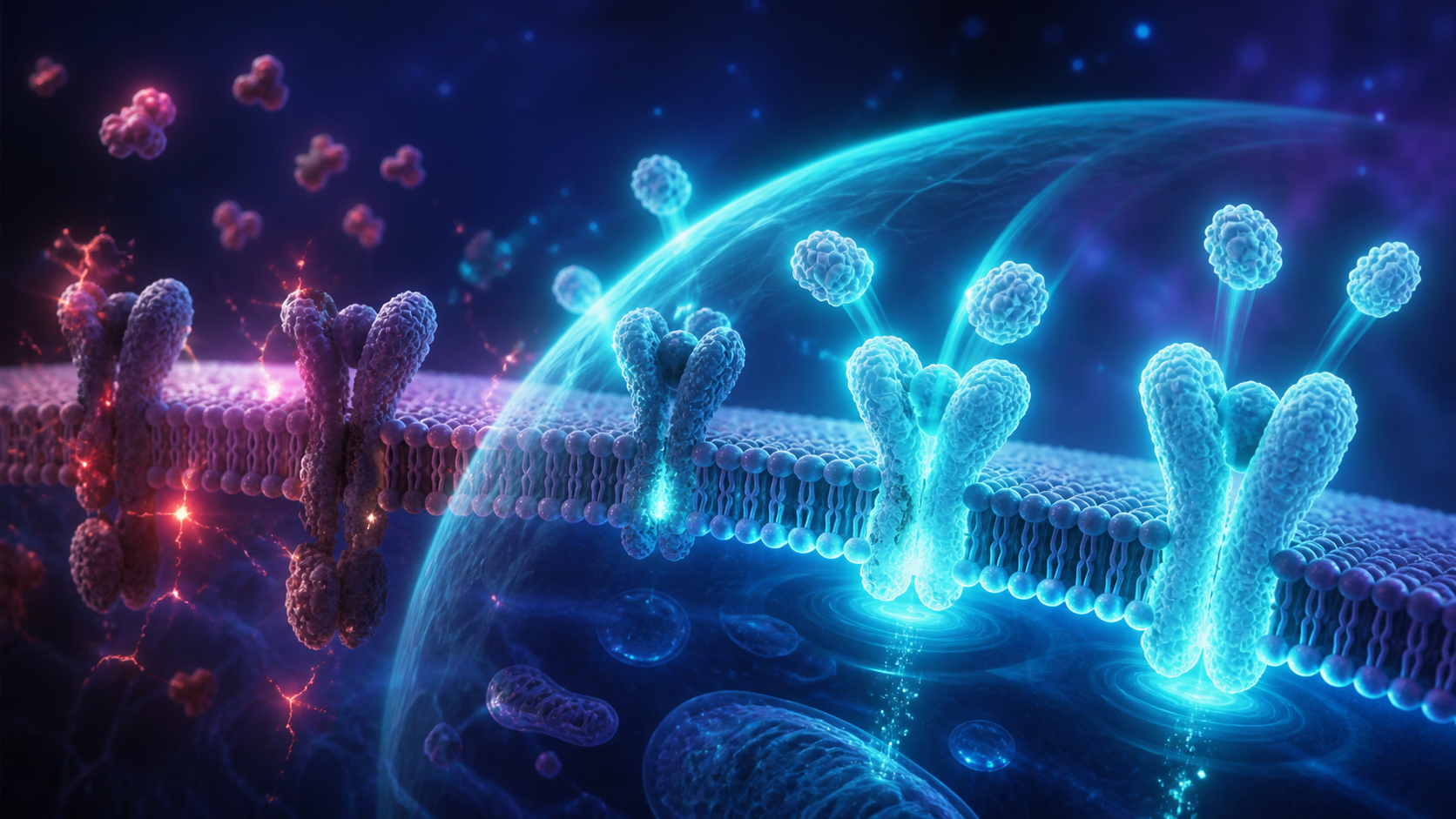
NRF2 and Insulin Resistance: How Oxidative Stress Blunts Insulin Signaling
Insulin resistance often begins years before diabetes is diagnosed. Oxidative stress and inflammation interfere with the insulin-signaling chain inside muscle, liver, and fat cells. NRF2 helps manage that stress, and lifestyle habits that support NRF2 also tend to improve insulin sensitivity.
Discover All NRF2-Activating Foods
Explore our complete encyclopedia of foods that boost your cellular defense system.
Browse All Foods