Rosemary & Oregano
Salvia rosmarinus / Origanum vulgare
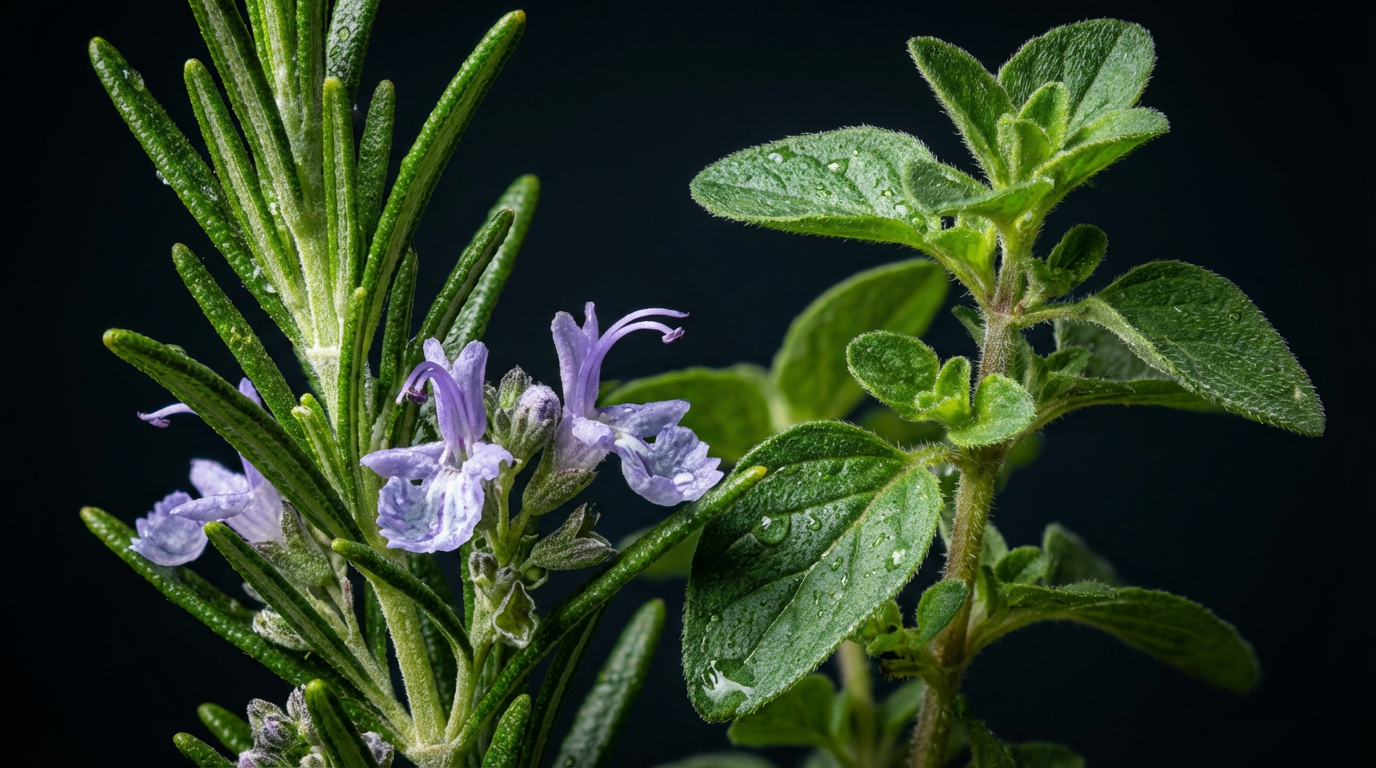
Rosemary and oregano powerfully activate NRF2 via carnosic and rosmarinic acids, boosting antioxidant defenses and cellular health.
Quick Answer
Overview of Rosemary and Oregano Rosemary ( Salvia rosmarinus ) and oregano ( Origanum vulgare ) are aromatic Mediterranean herbs long prized for their culinary and medicinal uses. Dating back to ancient civilizations such as the Greeks and Romans, these herbs were traditionally used for enhancing flavor and promoting…
Overview
Overview of Rosemary and Oregano
Rosemary (Salvia rosmarinus) and oregano (Origanum vulgare) are aromatic Mediterranean herbs long prized for their culinary and medicinal uses. Dating back to ancient civilizations such as the Greeks and Romans, these herbs were traditionally used for enhancing flavor and promoting health. Both rosemary and oregano contain bioactive polyphenols, especially carnosic acid and rosmarinic acid, which contribute to their pungent flavor and potent biological effects.
Nutritionally, these herbs provide antioxidants, vitamins, and trace minerals, but their primary interest in NRF2 research centers around their phytochemical constituents. Carnosic acid, abundant in rosemary, and rosmarinic acid, prevalent in both, have been demonstrated to activate the NRF2 transcription factor, a master regulator of cellular antioxidant responses and detoxification enzymes. This activation triggers a cellular defense mechanism against oxidative stress, which is implicated in aging and numerous chronic diseases.
Given their culinary versatility and concentrations of NRF2-activating compounds, rosemary and oregano offer appealing natural options to support endogenous antioxidant pathways. Incorporating moderate amounts of these herbs into daily diets may help upregulate NRF2 signaling, promoting homeostasis and cellular protection.
How It Activates NRF2
Mechanism of NRF2 Activation by Rosemary and Oregano
The NRF2 pathway is primarily regulated by the cytosolic protein KEAP1, which binds NRF2 and facilitates its ubiquitination and proteasomal degradation. Activation of NRF2 occurs when electrophiles or oxidative signals modify specific cysteine residues on KEAP1, leading to conformational changes that release NRF2 to translocate into the nucleus.
Carnosic acid and rosmarinic acid act as mild electrophilic compounds that can interact with KEAP1 cysteine thiols. Studies suggest that carnosic acid preferentially modifies key sensor cysteines on KEAP1, such as Cys151, disrupting the KEAP1-NRF2 complex (Satoh et al., 2013). This disruption inhibits NRF2 degradation, resulting in increased nuclear accumulation and transcriptional activation of antioxidant response element (ARE)-driven genes.
Downstream targets of NRF2 activated by these compounds include heme oxygenase-1 (HO-1), NAD(P)H: quinone oxidoreductase 1 (NQO1), glutathione S-transferases (GSTs), and other phase II detoxifying enzymes. This upregulation enhances the cell’s ability to detoxify reactive oxygen species (ROS), reduce inflammation, and restore redox balance, thereby conferring protection against oxidative insults.
Health Benefits
Health Benefits Mediated by NRF2 Activation
- Antioxidant Protection: Activation of NRF2 increases expression of enzymes like HO-1 and NQO1, enhancing cellular defense against oxidative stress (Kobayashi & Yamamoto, 2005).
- Anti-Inflammatory Effects: NRF2 activation suppresses pro-inflammatory cytokines and signaling pathways, reducing chronic inflammation (Ahmed et al., 2017).
- Neuroprotection: Rosemary and oregano-derived compounds protect neurons from oxidative damage and neurotoxicity via NRF2-mediated pathways (Satoh et al., 2013).
- Cardiovascular Support: Enhanced antioxidant enzyme expression mitigates endothelial dysfunction and oxidative injury involved in cardiovascular diseases (Li et al., 2019).
- Anti-Cancer Potential: By inducing phase II detoxification enzymes through NRF2, these herbs may lower cancer risk by improving carcinogen metabolism (Surh et al., 2008).
- Liver Health: NRF2 activation by carnosic acid promotes hepatic detoxification and protects against liver injury (Lee et al., 2016).
- Metabolic Regulation: Emerging evidence links NRF2 induction to improved insulin sensitivity and metabolic homeostasis (Koltun et al., 2019).
How to Consume
How to Consume Rosemary and Oregano for Optimal NRF2 Activation
Rosemary and oregano are most commonly consumed as culinary herbs, fresh or dried. To maximize NRF2 activation, it is recommended to use dried leaves in amounts of 1-2 teaspoons daily or fresh leaves totaling 2-3 grams. These quantities provide sufficient carnosic and rosmarinic acid without adverse effects.
Heat exposure can degrade some bioactive compounds; however, moderate cooking retains substantial NRF2-active phytochemicals. For example, adding rosemary or oregano towards the end of cooking preserves polyphenols. Alternatively, infusions or herbal teas can extract rosmarinic acid effectively.
Co-consumption with black pepper or fats may enhance bioavailability of these lipophilic compounds. Supplement formulations standardized for carnosic acid also exist and may provide precise dosing.
Incorporating these herbs regularly into Mediterranean-style diets aligns with traditional practices and supports consistent NRF2 stimulation. Fresh herb smoothies or pesto sauces are creative options, while oregano essential oil, though potent, should be used cautiously due to concentration.
Research Highlights
Research Highlights
- Satoh et al. (2013) demonstrated that carnosic acid from rosemary activates NRF2 via modification of KEAP1, inducing neuroprotective antioxidant enzymes (Free Radic Biol Med).
- Kobayashi & Yamamoto (2005) outlined the KEAP1-NRF2 system's role in oxidative stress defense, establishing groundwork for plant polyphenols' activation mechanism (Trends Mol Med).
- Lee et al. (2016) showed carnosic acid protects liver cells by upregulating NRF2-dependent detoxification pathways (J Nutr Biochem).
- Li et al. (2019) documented cardiovascular benefits of rosemary extract attributed in part to NRF2 activation and reduced oxidative stress (Phytomedicine).
- Ahmed et al. (2017) reviewed rosmarinic acid's anti-inflammatory and antioxidant roles through NRF2 in various models (Phytotherapy Research).
Referenced Studies
Frequently Asked Questions
How does Rosemary & Oregano activate NRF2?
What are the health benefits of Rosemary & Oregano?
How should I consume Rosemary & Oregano to support NRF2?
What is the main NRF2-activating compound in Rosemary & Oregano?
Health & FDA Disclaimer
The statements on this website have not been evaluated by the Food and Drug Administration (FDA). The content provided is for informational and educational purposes only and is not intended to diagnose, treat, cure, or prevent any disease. This article does not constitute medical advice. Always consult your physician or a qualified healthcare provider before starting any new supplement, diet, or wellness program. Read our full medical disclaimer →
More Spices & Herbs Foods

Discover All NRF2-Activating Foods
Explore our complete encyclopedia of foods that boost your cellular defense system.
Browse All Foods