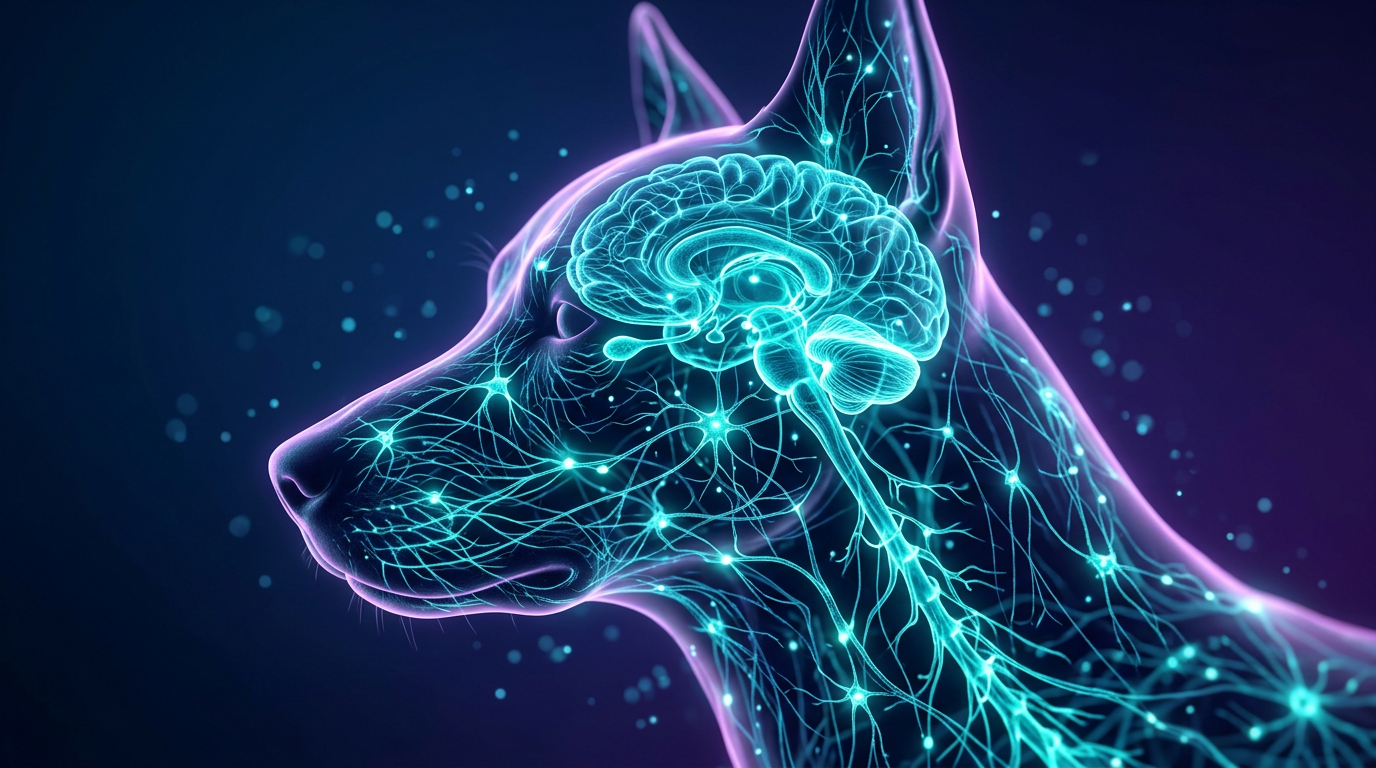
Canine Cognitive Dysfunction (CCD) — often called "doggy dementia" — affects a striking share of older dogs: roughly 28% of dogs aged 11–12 and as many as 68% of dogs aged 15–16 show signs. Neuronal oxidative stress is a key mechanism, which places NRF2 at the center of brain-protection strategies described in the complete guide to NRF2 for dogs.
Recognizing the Signs of CCD
Veterinarians often use the "DISHAA" framework: Disorientation, altered Interactions, Sleep-wake cycle changes, House-soiling, changes in Activity, and increased Anxiety. Early recognition matters because support strategies work best before decline is advanced.
Why the Aging Brain Is Vulnerable
The brain is fatty, metabolically demanding, and rich in mitochondria — a combination that makes neurons especially prone to oxidative damage. As NRF2 responsiveness falls with age, antioxidant defenses in the brain weaken, allowing damage to accumulate in the very cells responsible for memory and behavior.
NRF2 and Brain-Supportive Nutrition
- Omega-3 DHA from salmon and omega-3s — a structural fat for neurons and a cornerstone of canine brain support.
- Anthocyanins from blueberries — studied specifically for cognitive improvement in aging dogs.
- Sulforaphane from broccoli sprouts — crosses into the brain and activates NRF2; see sulforaphane and broccoli sprouts for dogs.
- Curcumin — neuro-anti-inflammatory support; see turmeric and curcumin for dogs.
- Medium-chain triglycerides (MCTs) — provide an alternate brain fuel; several therapeutic senior diets include them.
Beyond Diet: Enrichment and Routine
Mental stimulation is to the brain what exercise is to the body. Puzzle feeders, gentle training, new (safe) experiences, and a predictable daily routine all help an aging dog stay engaged. Combined with NRF2-supportive nutrition and the general strategies in NRF2 for senior dogs, these steps form a well-rounded brain-health plan.
Working With Your Veterinarian
CCD can resemble other medical problems, so a proper veterinary assessment is essential. Your vet may recommend a therapeutic diet, specific supplements, environmental changes, or medication. Supplements from NRF2 supplements for dogs should complement — not replace — that plan.
Frequently Asked Questions
Is canine cognitive dysfunction the same as normal aging?
No. Some slowing is normal with age, but CCD is a specific syndrome of disorientation, sleep changes, altered interactions and anxiety driven partly by neuronal oxidative stress. A veterinary assessment distinguishes it from other conditions.
Can diet slow doggy dementia?
Diet cannot cure CCD, but omega-3 DHA, antioxidants like blueberry anthocyanins, NRF2 activators and, in some cases, MCT-based therapeutic diets may support brain health and are commonly part of a veterinary plan.
Do blueberries really help dogs' brains?
Research in aging dogs has associated anthocyanin-rich foods and antioxidant-enriched diets with improved cognitive testing performance. Blueberries are a safe, practical way to add these compounds as treats.
When should I see the vet about memory changes?
As soon as you notice DISHAA-type signs — disorientation, sleep-wake disruption, changed interactions, house-soiling, activity changes or new anxiety. Earlier intervention gives support strategies the best chance to help.
This article is for educational purposes only and is not veterinary medical advice. Dogs differ from humans in what they can safely eat and in how they metabolize supplements. Always consult your veterinarian before changing your dog’s diet or starting any supplement, especially if your dog has an existing health condition, is pregnant, or is taking medication.