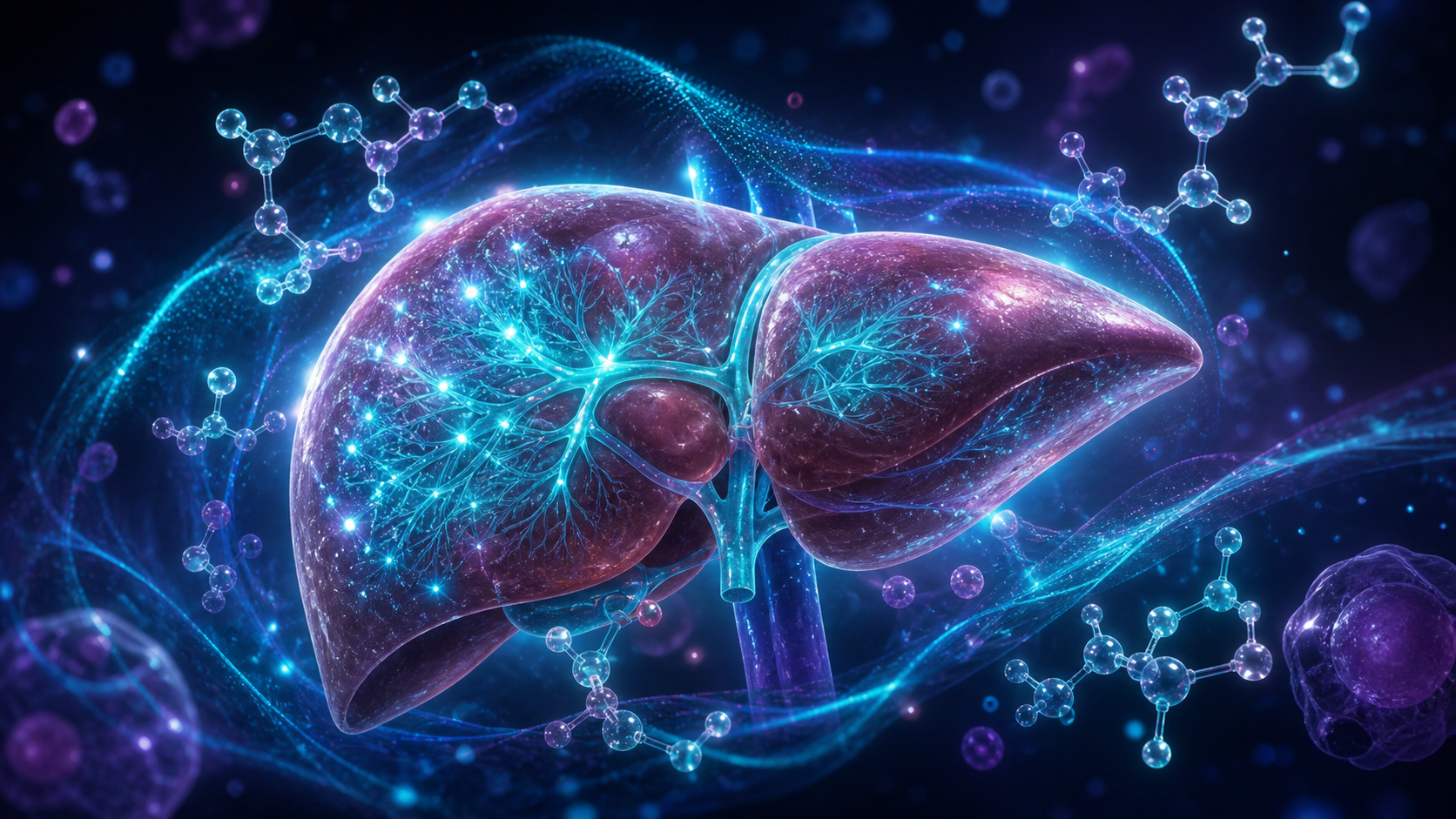
Your dog’s liver is a remarkable organ. It metabolizes food, stores energy, produces proteins, and neutralizes drugs and toxins. To do this safely, it relies on a powerful protective system centered on glutathione and the NRF2 pathway — the same biology that protects the human liver.
How NRF2 Protects the Liver
When the liver encounters oxidative or chemical stress, NRF2 activates genes for glutathione production and phase II detoxification enzymes. These attach neutralizing molecules to toxins so they can be excreted. We explain this in detail in NRF2 and phase II detoxification.
Common Causes of Liver Stress in Dogs
- Medications — some anti-inflammatories, anticonvulsants, and other drugs require liver monitoring.
- Toxins — xylitol, certain mushrooms, blue-green algae, moldy foods (aflatoxins), and human medications such as acetaminophen (never give it to dogs).
- Breed-related conditions — copper-storage hepatopathy (e.g., Bedlington Terriers, Labradors, Dobermans) and portosystemic shunts.
- Endocrine disease — Cushing’s disease and diabetes can affect the liver.
- Aging — see NRF2 and senior dogs.
Liver-Support Nutrients Vets Commonly Use
- SAMe (S-adenosylmethionine) — a precursor that helps replenish liver glutathione; widely used in veterinary practice.
- Silybin/milk thistle — contains compounds studied for antioxidant and NRF2-related effects; often combined with SAMe.
- Vitamin E — an antioxidant used in some liver conditions.
- Sulforaphane — a potent NRF2 activator studied in laboratory liver models; see sulforaphane for dogs.
These should be used under veterinary guidance, ideally after blood work establishes a diagnosis.
A Critical Warning About Green Tea Extract
Concentrated green tea extract has been associated with liver injury in dogs, particularly when given on an empty stomach. Avoid it unless specifically prescribed by your vet.
Signs of Possible Liver Problems
Yellowing of the eyes, gums, or skin (jaundice); vomiting; reduced appetite; increased thirst; weight loss; a swollen abdomen; or confusion. Many liver problems show no signs until advanced, which is why routine blood work matters — especially for senior dogs and dogs on long-term medication.
More in the NRF2 for Dogs Series
- NRF2 for Dogs: The Complete Guide
- NRF2 and Dog Kidney Health
- NRF2 Supplements for Dogs
- NRF2 for Dogs: Canine Health Overview
Frequently Asked Questions
What is the best liver supplement for dogs?
SAMe and milk thistle (silybin) are the most commonly used liver-support supplements in veterinary medicine, often in combination. Your vet can recommend a product and dose based on your dog’s blood work.
Does sulforaphane help the dog liver?
Sulforaphane strongly activates NRF2 and protects liver cells in laboratory studies. Canine clinical research is limited, so talk to your vet before using concentrated sulforaphane supplements.
What foods are toxic to a dog’s liver?
Xylitol (found in sugar-free products), moldy foods, certain wild mushrooms, and some human medications are especially dangerous. Grapes, onions, garlic, and chocolate are also toxic to dogs in other ways.
How often should my dog’s liver be checked?
Healthy adult dogs typically get blood work at annual exams. Senior dogs and dogs on long-term medications may need testing every six months or as your vet advises.
Disclaimer: This article is for educational purposes only and is not veterinary medical advice. Always consult your veterinarian before changing your pet’s diet or adding any supplement, especially if your animal has a diagnosed condition or takes medication. Never give pets grapes/raisins, onions, garlic, chocolate, macadamia nuts, xylitol, or concentrated green tea extract.