Quick Answer
"Detox" is a real biochemical process — and NRF2 is its master regulator. Your cells neutralize toxins, drugs, and carcinogens through a two-phase system: Phase I enzymes (cytochrome P450s) activate compounds, then Phase II conjugation enzymes — glutathione S-transferases (GSTs), UDP-glucuronosyltransferases (UGTs), sulfotransferases (SULTs), and N-acetyltransferases — attach water-soluble tags that allow excretion. NRF2 controls the genes for all major Phase II enzymes, plus the enzymes that synthesize glutathione. This is the real mechanism behind why broccoli sprouts and turmeric are called "detoxifying" foods.
Taking "Detox" Back From the Buzzword
Few words in health have been as thoroughly co-opted as "detox." It conjures images of juice cleanses, charcoal lattes, and foot pads — none of which have meaningful scientific support. This has led serious scientists and physicians to dismiss the entire concept.
But here's the thing: cellular detoxification is real, essential, and scientifically rigorous. Your body processes and eliminates thousands of foreign compounds (xenobiotics) every day — environmental pollutants, food additives, alcohol, drug metabolites, and even the byproducts of your own metabolism. The biochemical machinery that does this work is elegant, well-characterized, and largely controlled by NRF2.
The Two-Phase Detoxification System
Your liver and other tissues process toxins through a sequential two-phase system. Think of it as a molecular assembly line:
Phase I: Activation (Cytochrome P450 System)
Phase I enzymes — primarily the cytochrome P450 (CYP) family — perform the first chemical transformation on foreign compounds. They typically add a reactive group (hydroxyl, epoxide, or other functional group) to the molecule through oxidation, reduction, or hydrolysis.
The problem: Phase I often converts relatively harmless compounds into more reactive, more toxic intermediates. These activated metabolites can damage DNA, proteins, and cell membranes if they're not quickly neutralized.
This is exactly where acetaminophen (Tylenol) toxicity comes from: CYP2E1 converts acetaminophen into NAPQI, a highly reactive intermediate that depletes glutathione and destroys liver cells when Phase II can't keep up.
Phase II: Conjugation (NRF2-Controlled)
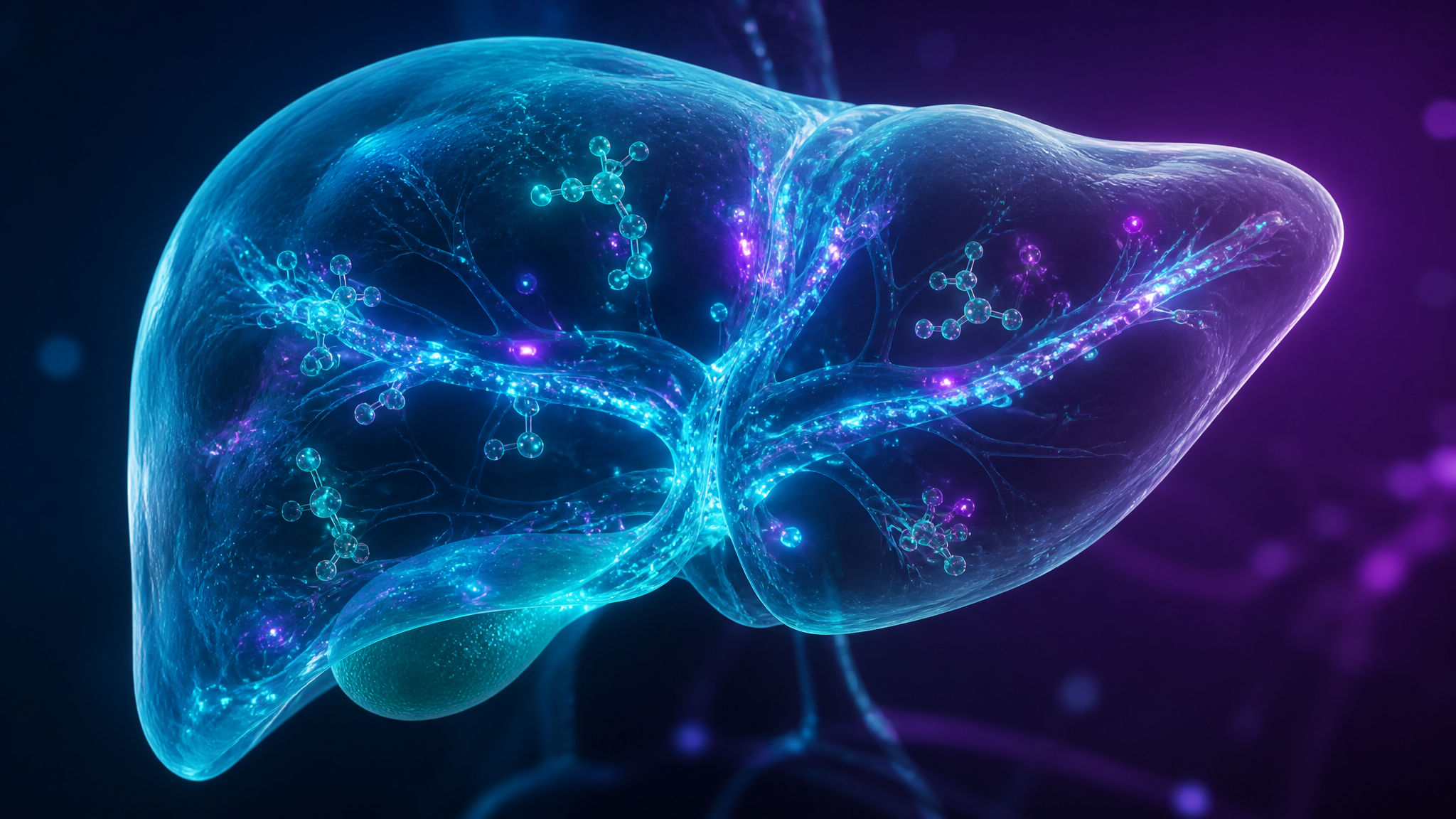
Phase II enzymes attach large, water-soluble molecules to the reactive intermediates from Phase I, rendering them harmless and excretable through urine or bile. This is the critical detoxification step — and NRF2 controls virtually all of it.
The Phase II Enzymes NRF2 Controls
Glutathione S-Transferases (GSTs)
What they do: Conjugate the tripeptide glutathione (GSH) to electrophilic compounds, neutralizing them. GSTs are the workhorse enzymes of Phase II detoxification.
What they protect against: Carcinogens (aflatoxin, benzo[a]pyrene), drug metabolites, lipid peroxidation products, and environmental pollutants.
NRF2 connection: NRF2 drives expression of multiple GST isoforms (GSTA1, GSTM1, GSTP1) AND the enzymes that synthesize glutathione itself (GCLC, GCLM, GSS). This means NRF2 activation simultaneously builds the tool and the raw material.
UDP-Glucuronosyltransferases (UGTs)
What they do: Attach glucuronic acid to toxins, drugs, and hormones, making them water-soluble for excretion. Glucuronidation is the most common Phase II pathway in humans.
What they protect against: Drug metabolites (including NSAIDs, statins, opioids), bilirubin, steroid hormones, and dietary carcinogens.
NRF2 connection: NRF2 upregulates several UGT isoforms through ARE binding, particularly UGT1A6 and UGT1A1.
Sulfotransferases (SULTs)
What they do: Transfer a sulfonate group from the donor molecule PAPS to xenobiotics and endogenous compounds. Especially important for processing environmental estrogens, drugs, and neurotransmitters.
N-Acetyltransferases (NATs) and Amino Acid Conjugation
What they do: Add acetyl groups or amino acids (glycine, taurine) to aromatic amines and other compounds. NAT2 activity varies between individuals due to common genetic polymorphisms — "fast" vs. "slow" acetylators.
NQO1: The Phase I/Phase II Bridge
NQO1 is unique: it performs a two-electron reduction of quinones that bypasses the toxic one-electron pathway, directly producing stable hydroquinones without generating reactive oxygen species. This makes it both a detoxification enzyme and one of the best biomarkers for NRF2 activity.
Why NRF2-Activating Foods Are Called "Detoxifying"
Now the dietary connection becomes clear. When studies show that sulforaphane from broccoli sprouts increases the excretion of airborne pollutants by 60% in Chinese clinical trials, this is the mechanism: sulforaphane activates NRF2, NRF2 upregulates GSTs and UGTs, and those enzymes conjugate pollutant metabolites for rapid urinary excretion.
The same principle applies to other NRF2-activating foods:
- Curcumin upregulates GSTs and UGTs, enhancing clearance of dietary carcinogens and drug metabolites.
- Garlic's organosulfur compounds (diallyl sulfide, DATS) are potent NRF2 activators that boost Phase II capacity, particularly in the liver.
- Rosemary — rosmarinic acid and carnosic acid protect kidneys from drug-induced damage by upregulating NRF2-driven Phase II enzymes.
- EGCG from green tea activates multiple Phase II enzyme families simultaneously.
Phase II Balance: The Crucial Ratio
Health depends on Phase I and Phase II working in balance. Problems arise when:
- Phase I outpaces Phase II: Toxic intermediates accumulate faster than they can be conjugated. This is exactly what happens in acetaminophen overdose and is a concern with excessive alcohol consumption (which induces CYP2E1).
- Phase II is impaired: Genetic polymorphisms, nutrient deficiencies (low glutathione, low sulfate), or age-related NRF2 decline reduce Phase II capacity.
NRF2-activating foods tip the balance in the right direction by selectively boosting Phase II without proportionally increasing Phase I — a property that pure NRF2 activators like sulforaphane are particularly valued for.
Frequently Asked Questions
Is NRF2 detoxification the same as a "detox cleanse"?
No. A "detox cleanse" typically involves juice fasting or restrictive diets with no proven mechanism. NRF2-mediated detoxification is a continuous, well-characterized biochemical process that your cells perform 24/7. You support it through nutrient-dense foods rich in NRF2 activators, adequate protein (for amino acid conjugation), and sulfur-containing compounds — not by restricting food intake.
Which organ is most important for NRF2 detoxification?
The liver is the primary site of Phase I and Phase II detoxification, with the highest concentration of both CYP enzymes and NRF2-driven conjugation enzymes. However, NRF2-mediated detoxification also occurs in the intestinal lining (first-pass metabolism), kidneys, lungs, and skin — every tissue that encounters xenobiotics.
Can NRF2 activation help with alcohol metabolism?
Partially. Alcohol is primarily metabolized by alcohol dehydrogenase (Phase I), but the toxic intermediate acetaldehyde is further processed by aldehyde dehydrogenase and eventually conjugated by NRF2-regulated Phase II enzymes. NRF2 activation also helps replenish glutathione depleted by alcohol metabolism. However, NRF2 activation is not a substitute for moderate drinking — chronic alcohol use overwhelms these defenses regardless.
Does NRF2 detoxification help with environmental pollution?
Yes — this is one of the most well-documented applications. In clinical trials, sulforaphane-rich broccoli sprout beverages significantly increased urinary excretion of benzene and acrolein (airborne pollutants) in populations exposed to heavy air pollution. The mechanism is directly through NRF2-driven upregulation of GSTs that conjugate these pollutant metabolites.