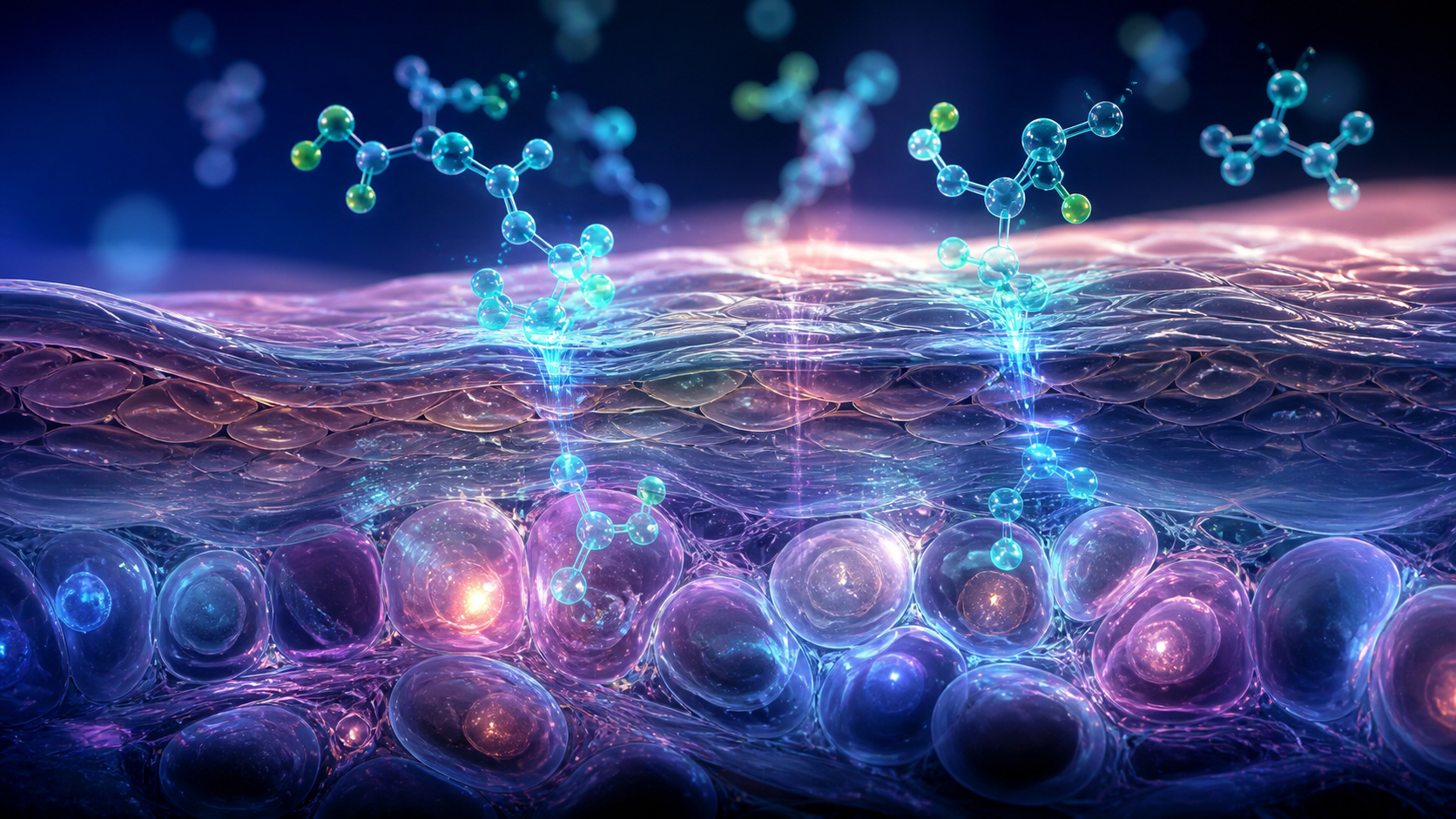
Among all natural NRF2 activators, few are as well studied as sulforaphane — a compound concentrated in broccoli sprouts. For skin health specifically, sulforaphane has attracted serious scientific attention for its ability to strengthen the skin’s antioxidant defenses from within.
What Makes Sulforaphane Special
Sulforaphane is one of the most potent naturally occurring NRF2 activators known. Unlike antioxidants that are used up when they neutralize a single free radical, sulforaphane works indirectly: it activates NRF2, which then switches on dozens of the skin’s own protective genes. This produces a long-lasting, catalytic antioxidant effect rather than a one-time hit.
Sulforaphane and UV Protection
In a frequently cited study, researchers applied broccoli-sprout extract to human skin and found it significantly reduced UV-induced redness — a marker of oxidative and inflammatory damage — with protection that persisted for days. This aligns with sulforaphane’s role as an NRF2 activator and supports the broader case made in NRF2 and UV protection.
Support for Collagen and Firmness
By reducing oxidative stress, sulforaphane helps protect collagen and elastin from breakdown — the process behind wrinkles and sagging described in NRF2 and skin aging. Some research also suggests it may influence enzymes involved in collagen turnover. Learn more in NRF2 and collagen.
How to Get More Sulforaphane
- Broccoli sprouts contain far more sulforaphane precursor than mature broccoli — the richest dietary source.
- Light cooking or chopping raw helps activate the enzyme (myrosinase) that converts the precursor into active sulforaphane.
- Other cruciferous vegetables like kale and other crucifers provide smaller amounts.
- Supplements standardized for sulforaphane or its precursor are an option — see topical vs. internal NRF2 activation.
Sulforaphane is a cornerstone of a skin-supportive diet. For the full menu, see the best NRF2-activating foods for glowing skin, and start with the complete guide to NRF2 for skin.
This article is for educational purposes only and is not medical advice. Skin conditions have many causes, and NRF2 activation affects each person differently. Consult a qualified dermatologist or healthcare provider before starting any new supplement or topical regimen — especially if you are pregnant, breastfeeding, taking medication, or managing a diagnosed skin condition.
Frequently Asked Questions
How much broccoli sprouts should I eat for skin benefits?
Studies vary, but many use the equivalent of a small daily handful (roughly 30–50 grams) of fresh broccoli sprouts. There is no official dose for skin specifically. Start modestly, as cruciferous vegetables can cause digestive discomfort in large amounts, and consult a professional if you have thyroid concerns.
Is topical or dietary sulforaphane better for skin?
Both show promise. Topical broccoli-sprout extract has been studied for reducing UV redness directly on skin, while dietary sulforaphane supports whole-body NRF2 activation. They can be complementary; our article on topical vs. internal activation explores the trade-offs.
Does cooking destroy sulforaphane?
High heat can deactivate myrosinase, the enzyme needed to form sulforaphane. Eating sprouts raw, lightly steaming them, or chopping and waiting a few minutes before cooking helps preserve sulforaphane formation. Boiling for long periods reduces it most.
Are broccoli-sprout supplements as good as fresh sprouts?
Quality supplements standardized for sulforaphane or its precursor plus active myrosinase can be effective and convenient. However, product quality varies widely. Fresh sprouts are a reliable whole-food source; supplements are a reasonable alternative when standardized properly.