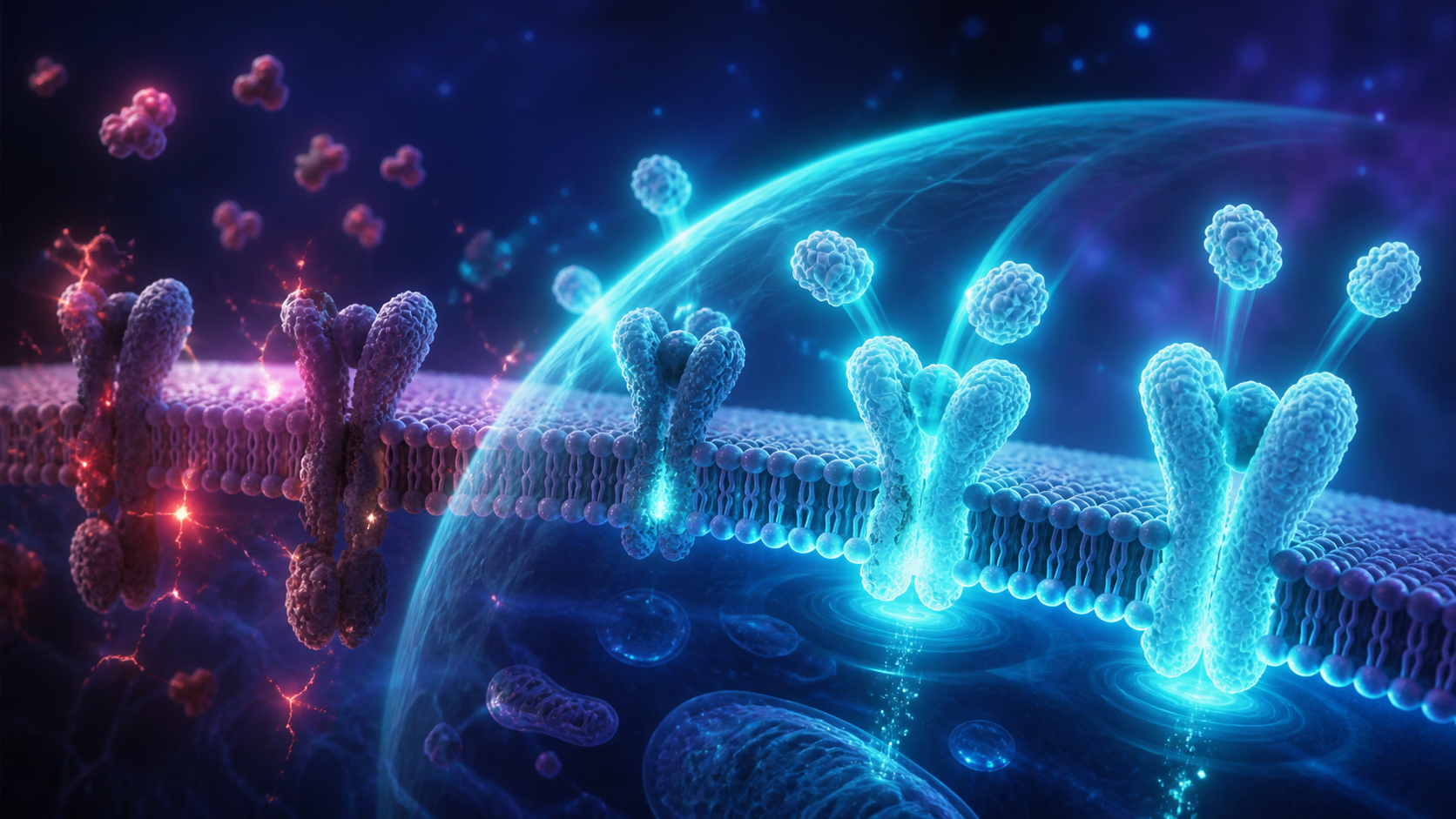
Insulin resistance is the metabolic state in which cells respond poorly to insulin, so the pancreas must produce more and more of it to keep blood sugar normal. It can persist silently for a decade or longer before prediabetes or type 2 diabetes is diagnosed. Oxidative stress is one of its key drivers — which is where NRF2 enters the story.
How Insulin Signaling Works
When insulin binds its receptor on a muscle, liver, or fat cell, it triggers a relay of signaling proteins that ultimately moves glucose transporters (GLUT4) to the cell surface. Glucose then flows in and blood sugar falls. Anything that disrupts this relay reduces the cell’s response to insulin.
Where Oxidative Stress Breaks the Chain
Excess reactive oxygen species and inflammatory signals activate stress kinases that chemically modify key insulin-signaling proteins, making them less effective. Fat accumulating inside muscle and liver cells (ectopic fat) worsens this. Over time, cells become “deaf” to insulin.
NRF2’s Protective Role
NRF2 boosts glutathione and antioxidant enzymes that neutralize excess ROS, and it has anti-inflammatory effects. In animal studies, NRF2 activation has often improved insulin sensitivity under high-fat diets. However, the relationship is nuanced: some genetic models with permanently elevated NRF2 show unexpected effects on fat metabolism. This is another reminder that a responsive NRF2 system — not a maximally forced one — is the realistic goal.
The Tissues Involved
- Skeletal muscle handles most glucose disposal after meals, and exercise is the most powerful tool for restoring its insulin sensitivity.
- Liver insulin resistance is closely tied to fatty liver — see NRF2 and fatty liver disease.
- Fat tissue, especially visceral fat, releases inflammatory signals — see NRF2, obesity, and weight management.
Insulin resistance is also a core feature of PCOS; our article on NRF2 and PCOS explores that connection.
Lifestyle Steps That Improve Insulin Sensitivity
- Exercise: Both aerobic and resistance training increase insulin sensitivity — and transiently activate NRF2 through healthy hormetic stress.
- Reduce refined carbohydrates and ultra-processed foods while prioritizing fiber and vegetables.
- Include NRF2-activating foods: broccoli sprouts, cinnamon, turmeric, extra-virgin olive oil, and blueberries.
- Sleep 7–9 hours: Even a few nights of short sleep measurably reduce insulin sensitivity.
- Consider meal timing — see NRF2 and intermittent fasting.
Continue the Metabolic Health Series
- NRF2 and Metabolic Health: The Complete Guide
- NRF2 and Type 2 Diabetes
- NRF2 Foods for Blood Sugar Control
Frequently Asked Questions
What is the main cause of insulin resistance?
Insulin resistance usually results from a combination of excess visceral and ectopic fat, physical inactivity, poor sleep, genetics, and chronic inflammation and oxidative stress. These factors interfere with insulin signaling inside cells.
Can NRF2 activation improve insulin sensitivity?
Animal studies often show improved insulin sensitivity with NRF2 activation, but human evidence is limited. The habits that naturally activate NRF2 — exercise and a vegetable-rich diet — are independently proven to improve insulin sensitivity.
How do I know if I am insulin resistant?
Common clues include increased waist size, elevated fasting glucose or triglycerides, low HDL cholesterol, and dark velvety skin patches (acanthosis nigricans). A doctor can order tests such as fasting insulin, HbA1c, or an oral glucose tolerance test.
Is insulin resistance reversible?
In many people, yes — especially when addressed early. Weight loss, regular exercise, better sleep, and dietary changes can substantially improve insulin sensitivity. Work with your healthcare provider to monitor progress.
Disclaimer: This article is for educational purposes only and is not medical advice. It is not intended to diagnose, treat, cure, or prevent any disease. If you have diabetes, liver disease, or another metabolic condition — or take medications such as insulin, metformin, or statins — talk with your physician before changing your diet, fasting, or starting supplements.