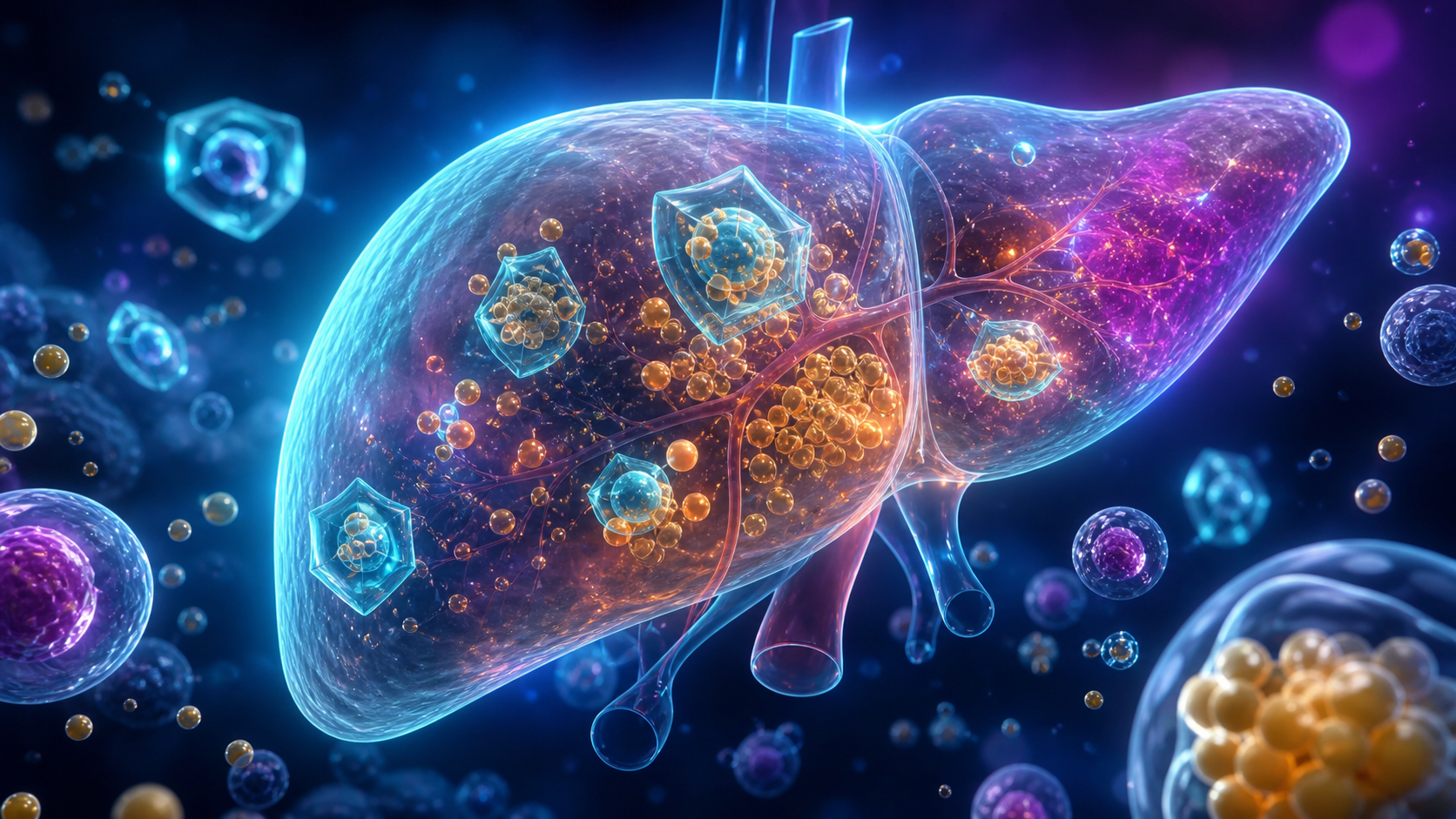
Your liver is the body’s metabolic headquarters and main detoxification organ. When fat accumulates in liver cells beyond healthy levels, the result is non-alcoholic fatty liver disease (NAFLD), recently renamed metabolic dysfunction–associated steatotic liver disease (MASLD). It is closely tied to insulin resistance and obesity — and NRF2 is one of the liver’s key lines of defense.
From Simple Fat to Serious Disease
Many people with fatty liver never progress beyond simple fat buildup. In others, the fat-laden liver cells become stressed, generating reactive oxygen species and inflammation. This can progress to steatohepatitis (MASH/NASH), then fibrosis (scarring), and in some cases cirrhosis. Oxidative stress is considered one of the “hits” that pushes the disease forward.
Why the Liver Relies on NRF2
The liver has some of the highest NRF2 activity in the body because it processes toxins, drugs, and dietary compounds constantly. NRF2 controls glutathione synthesis and the phase II detoxification enzymes described in our article on NRF2 and phase II detoxification.
What Research Shows
In animal models, mice lacking NRF2 develop more severe fatty liver, inflammation, and fibrosis on unhealthy diets, while NRF2 activation tends to be protective. Several NRF2-activating compounds have been investigated as potential liver therapies. Human clinical evidence remains early, and no NRF2-targeted treatment is currently a standard of care for fatty liver.
NRF2’s liver-protective role extends to drug- and toxin-induced injury too — see NRF2 and drug-induced liver damage.
Liver-Friendly Habits
- Gradual weight loss of 7–10% of body weight is one of the most effective interventions for fatty liver.
- Limit added sugars — especially fructose-sweetened drinks — and alcohol.
- Exercise regularly; it reduces liver fat even without major weight loss.
- Eat NRF2-supportive foods: broccoli sprouts, kale, green tea (as a beverage, not concentrated extract), turmeric, garlic, and olive oil.
- Be cautious with supplements. High-dose green tea extract and some herbal products have been linked to liver injury.
Continue the Metabolic Health Series
- NRF2 and Metabolic Health: The Complete Guide
- NRF2 and Insulin Resistance
- NRF2, Obesity & Weight Management
Frequently Asked Questions
What is the difference between NAFLD and MASLD?
They describe largely the same condition. MASLD (metabolic dysfunction–associated steatotic liver disease) is the newer name adopted in 2023 to emphasize the link with metabolic risk factors such as insulin resistance, obesity, and high triglycerides.
Can NRF2 reverse fatty liver?
There is no proven NRF2-based treatment that reverses fatty liver in humans. Animal research is promising, but weight loss, exercise, and dietary changes remain the proven approaches. NRF2-supportive foods fit naturally within those changes.
Is green tea good or bad for the liver?
Brewed green tea as a beverage is generally considered safe and may be beneficial. However, concentrated green tea extract supplements — particularly on an empty stomach — have been linked to rare cases of liver injury. Stick to the beverage and consult your doctor about extracts.
How do I know if I have fatty liver?
Fatty liver often causes no symptoms. It is commonly found through elevated liver enzymes on blood tests or on an ultrasound. If you have obesity, type 2 diabetes, or metabolic syndrome, ask your doctor about screening.
Disclaimer: This article is for educational purposes only and is not medical advice. It is not intended to diagnose, treat, cure, or prevent any disease. If you have diabetes, liver disease, or another metabolic condition — or take medications such as insulin, metformin, or statins — talk with your physician before changing your diet, fasting, or starting supplements.