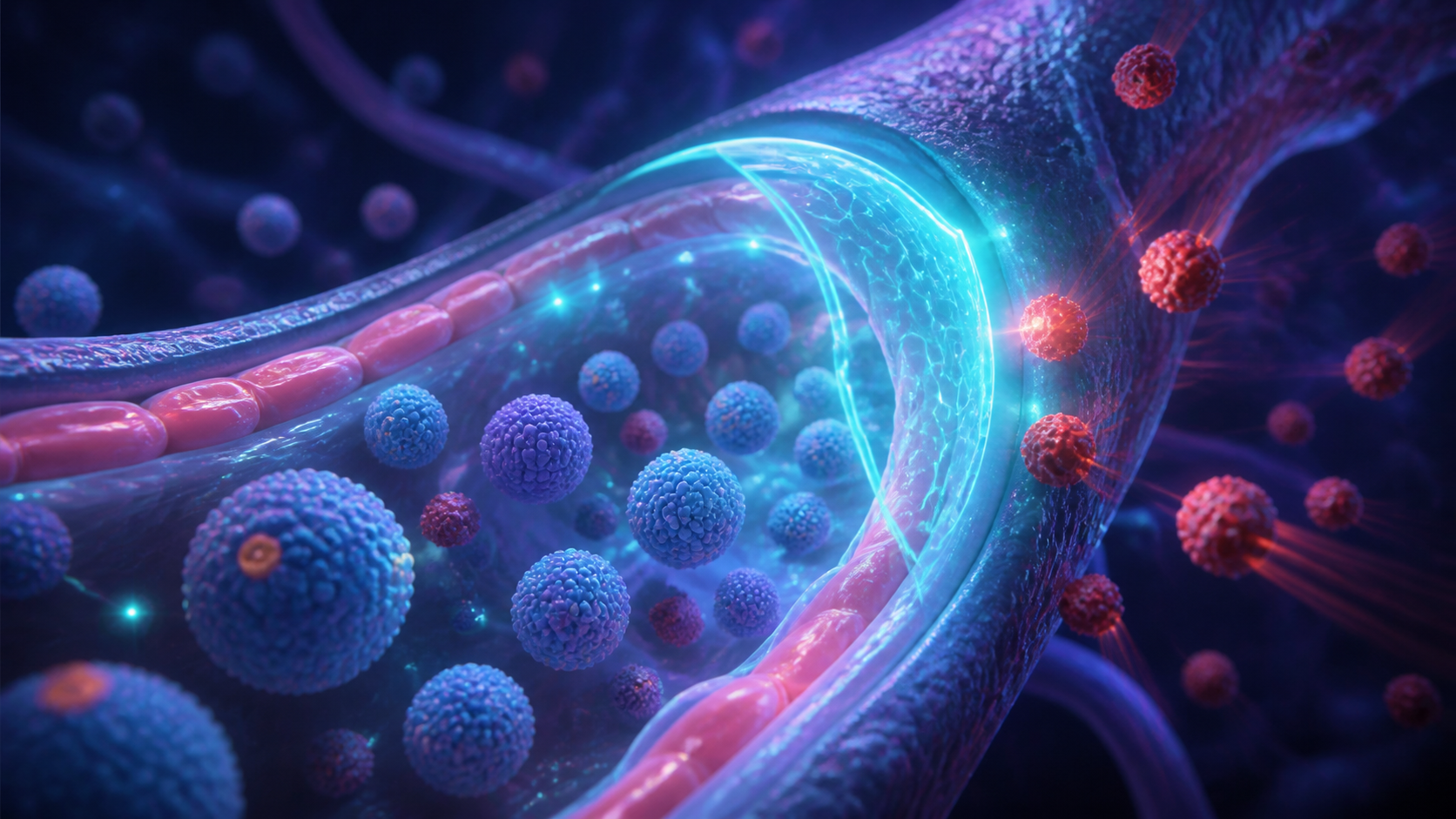
Metabolic and cardiovascular health are two sides of the same coin — clinicians increasingly use the term cardiometabolic health. At the center of that overlap is the blood vessel lining (endothelium), which is highly sensitive to oxidative stress. NRF2 is one of its most important internal defenses.
Why Oxidized LDL Matters
LDL cholesterol particles carry cholesterol through the bloodstream. When LDL particles penetrate the artery wall and become oxidized, they trigger inflammation and are engulfed by immune cells that become “foam cells” — the early building blocks of atherosclerotic plaque. Oxidative stress is therefore a key step that turns circulating cholesterol into arterial damage.
NRF2 in the Blood Vessel Wall
In endothelial cells, NRF2 activates enzymes such as heme oxygenase-1 (HO-1) and glutathione-related enzymes that neutralize oxidants and calm inflammation. It helps preserve nitric oxide, which allows vessels to relax and maintain healthy blood pressure. Areas of arteries exposed to smooth, steady blood flow show higher NRF2 activity — and are less prone to plaque.
An Important Nuance
Research on NRF2 and atherosclerosis is not uniformly positive. Some mouse studies found that removing NRF2 actually reduced plaque in certain models, likely because NRF2 also influences how immune cells handle cholesterol. This complexity is why scientists emphasize balanced, physiological NRF2 activity rather than aggressive pharmacological activation.
The Heart Connection
Beyond arteries, NRF2 protects heart muscle from oxidative injury — a topic we cover in NRF2 and cardiomyopathy. Diabetes, high blood pressure, and high triglycerides all increase the oxidative burden on the heart and vessels.
Heart-Healthy, NRF2-Supportive Habits
- Know your numbers and follow medical advice on LDL, blood pressure, and glucose — including statins or other medications if prescribed.
- Exercise regularly; increased blood flow itself stimulates protective NRF2 activity in vessels.
- Eat Mediterranean-style: olive oil, fatty fish, walnuts, flaxseeds, tomatoes, beetroot, pomegranate, and garlic.
- Enjoy dark chocolate and red grapes in moderation for their polyphenols.
- Don’t smoke — smoking is one of the largest sources of vascular oxidative stress.
Continue the Metabolic Health Series
Frequently Asked Questions
Does NRF2 lower cholesterol?
NRF2 is not primarily a cholesterol-lowering pathway. Its main cardiovascular role is protecting blood vessels from oxidative stress and inflammation. Proven cholesterol-lowering approaches include diet, exercise, and medications such as statins.
What is oxidized LDL?
Oxidized LDL is LDL cholesterol that has been chemically damaged by reactive oxygen species. It is more inflammatory than native LDL and plays a central role in the early formation of arterial plaque.
Can NRF2-activating foods replace statins?
No. If your doctor has prescribed a statin, do not stop it in favor of foods or supplements. NRF2-supportive foods can complement medical treatment as part of a heart-healthy diet.
Is NRF2 always protective for the heart?
Mostly, but not always. Some animal studies show complex effects of NRF2 on atherosclerosis. This is why balanced activation through lifestyle is preferred over forcing the pathway with high-dose compounds.
Disclaimer: This article is for educational purposes only and is not medical advice. It is not intended to diagnose, treat, cure, or prevent any disease. If you have diabetes, liver disease, or another metabolic condition — or take medications such as insulin, metformin, or statins — talk with your physician before changing your diet, fasting, or starting supplements.